Introduction
Wearing sarees in hot weather can feel uncomfortable—especially when the fabric sticks, traps heat, or feels too heavy. But here’s the truth: not all sarees are the problem. The wrong fabric is.
The good news? There are plenty of sarees designed specifically for hot climates that keep you cool while still looking elegant. Whether you’re heading to work, running errands, or attending a daytime event, choosing the right saree can completely change your experience.
In this guide, you’ll learn exactly which sarees work best in summer, how to style them, and what to avoid—so you stay comfortable all day without sacrificing your look.
Why Fabric Matters More Than Design
When it comes to sarees for hot weather, fabric is everything. Heavy materials trap heat and sweat, while breathable ones allow airflow and keep your body cool.
Natural fabrics generally perform better than synthetic ones. They absorb moisture, dry faster, and feel lighter on the skin. That’s why your choice of fabric can make or break your comfort level in summer.
1. Breathable Cotton Sarees (Best Overall Choice)
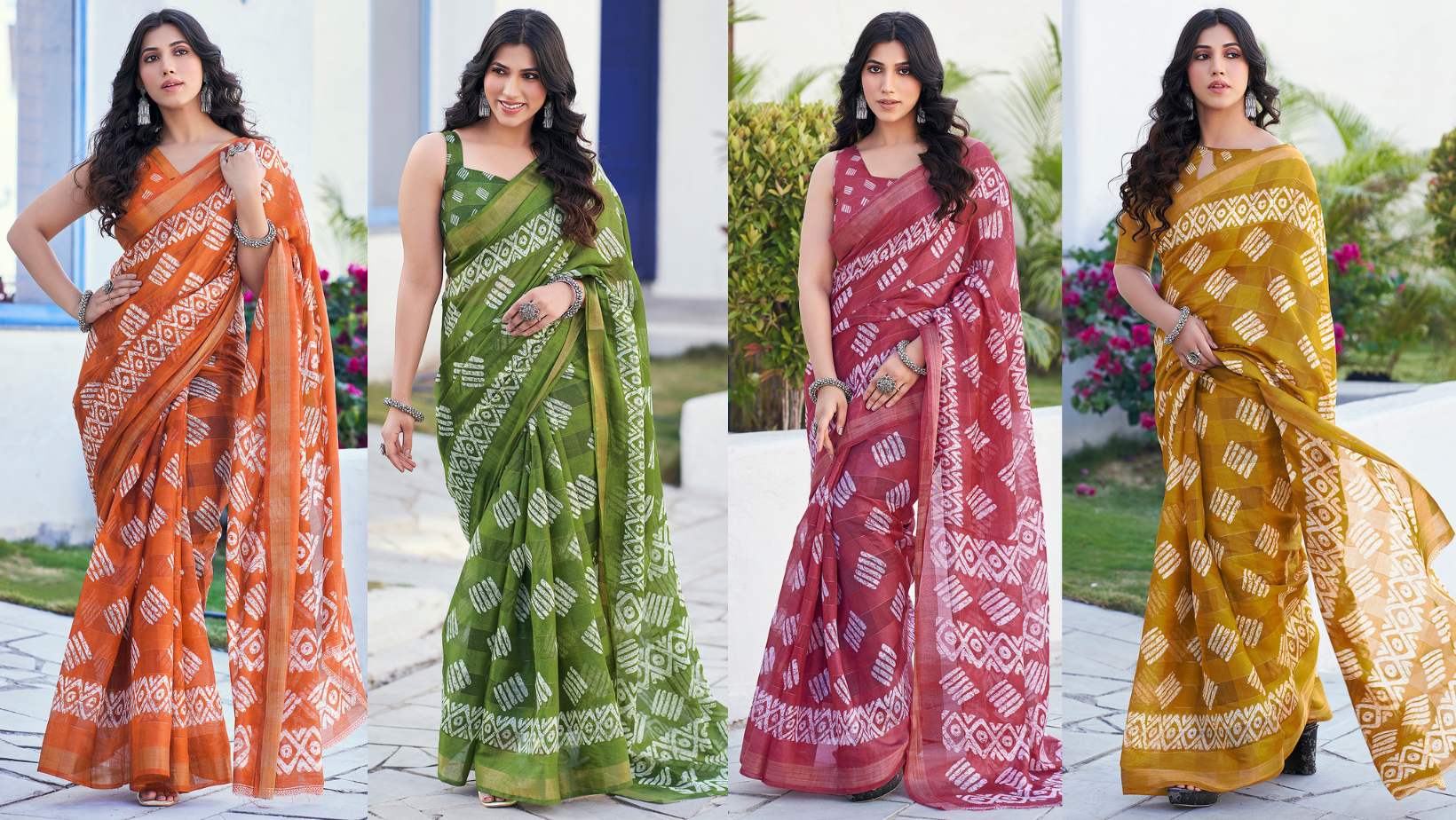
If you’re looking for a safe, reliable option, breathable cotton sarees are hard to beat.
They are:
- Lightweight
- Sweat-absorbing
- Skin-friendly
Cotton allows air to circulate, which helps your body stay cool even in high temperatures. That’s why it’s one of the most recommended fabrics for daily wear.
Best for: Office, casual outings, daily use
Styling tip: Pair with a sleeveless or elbow-sleeve blouse to stay even cooler.
2. Linen Sarees (Light and Modern)
Linen sarees are becoming more popular—and for good reason. They’re even more breathable than cotton and have a slightly crisp, modern look.
They don’t cling to your body, which helps reduce that sticky feeling in humidity.
Best for: Semi-formal events, office wear
Keep in mind: Linen wrinkles easily, but many people actually like that natural texture.
3. Chiffon and Georgette (Light but Choose Wisely)
These fabrics are lightweight and flowy, making them easier to carry in heat. But not all chiffon or georgette sarees are ideal.
Some synthetic versions can trap heat, so look for softer, high-quality blends.
Best for: Occasional wear, quick outings
Tip: Avoid heavily embroidered versions—they add unnecessary weight.
4. Mulmul Sarees (Softest Summer Option)
Mulmul is a type of fine cotton that feels extremely soft and airy.
It’s one of the most comfortable options you can wear in hot weather, especially if you’re sensitive to heat.
Best for: Home wear, casual days
Sarees You Should Avoid in Summer
Some sarees look beautiful—but feel terrible in heat.
Try to avoid:
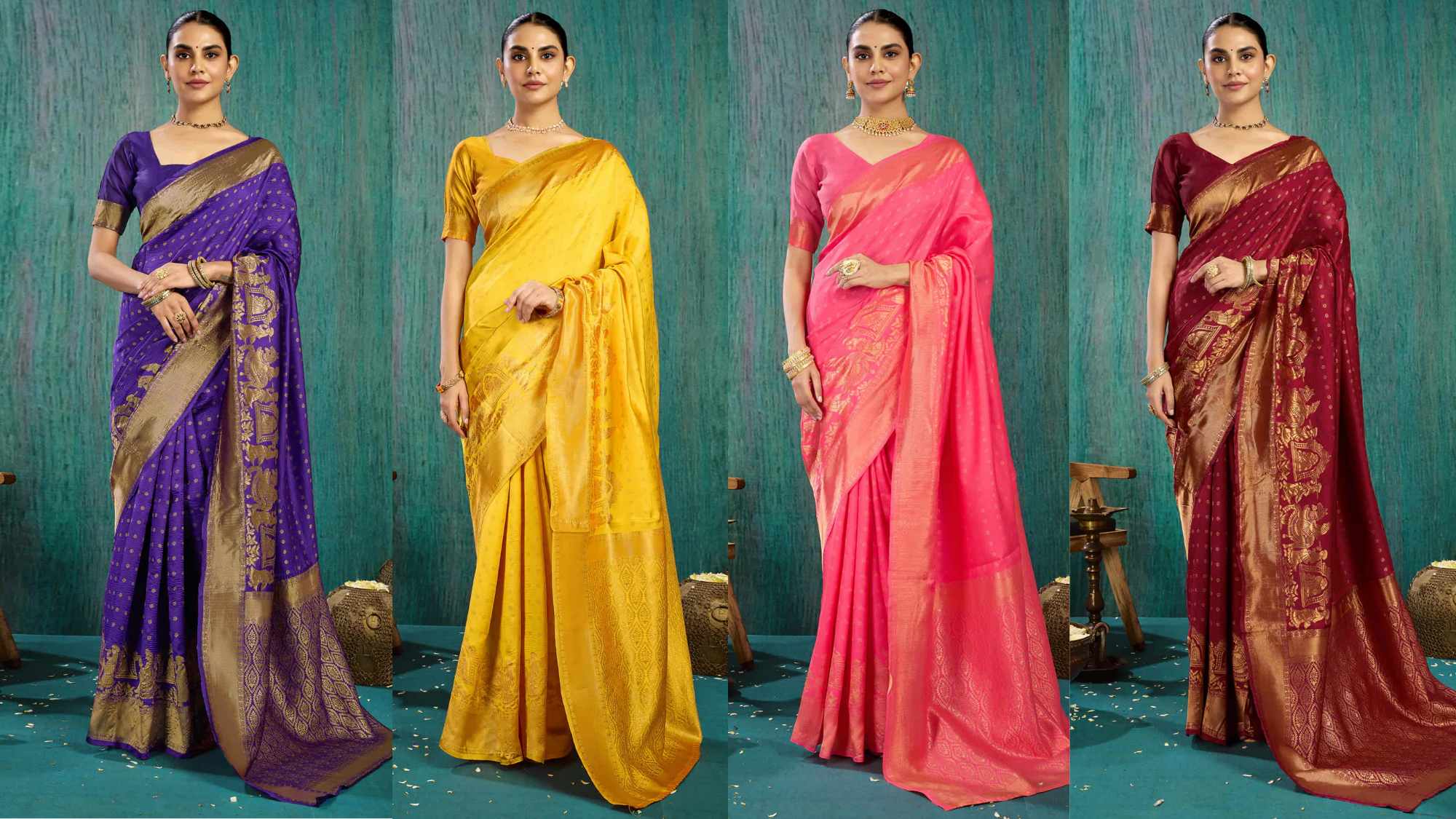
- Heavy silk sarees
- Velvet fabrics
- Thick polyester blends
- Heavily embroidered sarees
These materials trap heat and can quickly become uncomfortable, especially during the day.
Simple Styling Tips for Hot Weather
Wearing the right saree is only half the job. How you style it also matters.
Go for Light Colors
Dark colors absorb more heat, while lighter shades reflect it. Whites, pastels, and soft prints work best.
Choose the Right Blouse
Avoid tight or heavily padded blouses. Instead, go for:
- Sleeveless
- Cotton fabrics
- Loose fits
Keep Accessories Minimal
Heavy jewelry adds to discomfort. Stick to simple, lightweight pieces for a clean and breathable look.
Drape Smartly
A tight drape can restrict airflow. Keep your draping slightly loose so air can circulate.
If you’re new to this, you might also like:
👉 Easy Draping Sarees for Beginners
Budget-Friendly Options
You don’t need to spend a lot to stay comfortable. Many budget sarees under 1000 come in cotton and lightweight fabrics.
Focus on:
- Fabric quality
- Simplicity
- Comfort over heavy design
You’ll often find that simpler sarees actually look more elegant in summer.
Common Mistakes People Make
A lot of discomfort comes from small mistakes:
- Choosing style over comfort
- Ignoring fabric type
- Wearing heavy blouses
- Over-accessorizing
Fixing these can instantly improve your experience.
Quick Checklist Before You Buy
Before buying a saree for hot weather, ask yourself:
- Is the fabric breathable?
- Is it lightweight?
- Will it feel comfortable after 3–4 hours?
If the answer is yes, you’re on the right track.
Conclusion
Wearing sarees in hot weather doesn’t have to be uncomfortable. The key is choosing the right fabric, keeping your styling simple, and avoiding heavy materials.
Breathable cotton sarees, linen, and soft blends can keep you cool while still looking elegant. Once you start prioritizing comfort, you’ll notice a huge difference in how you feel throughout the day.
So next time you pick a saree, ask yourself: does it just look good—or will it actually feel good too?