How to Choose Supportive Shoes: A Complete Beginner’s Guide
Introduction
Have you ever bought a pair of shoes that felt comfortable in the store but left your feet aching after just a few hours? You’re not alone. Studies show that foot problems affect millions of adults worldwide, and wearing poorly fitted or unsupportive shoes is one of the most common causes. Choosing the right footwear isn’t just about style—it’s about protecting your feet, joints, and overall health.
Knowing how to choose supportive shoes can help reduce foot pain, improve posture, and even ease discomfort in your knees, hips, and lower back. Whether you’re shopping for walking shoes, running shoes, work shoes, or everyday sneakers, understanding what makes a shoe truly supportive can save you money and prevent future problems.
In this guide, you’ll learn exactly what to look for, how to match shoes to your foot type, common buying mistakes to avoid, and practical tips that make shopping much easier.
 How to Measure Your Feet at Home for the Perfect Shoe Fit
Why Supportive Shoes Matter
Your feet absorb thousands of pounds of pressure every day. Every step you take affects your ankles, knees, hips, and spine. Shoes that don’t provide adequate support can gradually lead to discomfort and long-term issues.
Supportive shoes help:
- Maintain proper foot alignment
- Reduce pressure on joints
- Improve balance and stability
- Minimize foot fatigue
- Lower the risk of common injuries
- Increase comfort during long periods of standing or walking
Research from the American Podiatric Medical Association (APMA) highlights that properly fitted, supportive footwear plays an important role in maintaining overall foot health.
What Makes a Shoe Supportive?
Many people assume soft shoes are supportive. In reality, comfort and support are different things.
Here are the key features that determine whether a shoe provides proper support.
1. Good Arch Support
The arch helps distribute your body weight evenly.
A supportive shoe should match your natural arch rather than forcing your foot into an unnatural position.
People with:
- Flat feet usually benefit from structured support.
- High arches often need extra cushioning.
- Neutral arches generally have the widest range of suitable options.
2. Firm Heel Counter
The heel counter is the stiff material surrounding the back of the shoe.
A quality heel counter:
- Keeps your heel stable
- Prevents excessive movement
- Improves balance
- Reduces overpronation
Try squeezing the back of the shoe. It should feel firm rather than collapsing easily.
3. Proper Cushioning
Cushioning absorbs impact, but too much softness isn’t always better.
Good supportive shoes combine:
- Shock absorption
- Stability
- Responsive cushioning
- Long-lasting comfort
The goal is controlled cushioning rather than an overly soft feel.
4. Wide Toe Box
Your toes should have enough room to spread naturally.
A narrow toe box may contribute to:
- Blisters
- Bunions
- Toe pain
- Reduced stability
When standing, you should be able to wiggle your toes comfortably.
5. Flexible Forefoot
The shoe should bend where your toes naturally bend—not in the middle.
A quick test:
Hold the shoe with both hands and bend it.
A supportive shoe flexes at the ball of the foot while remaining relatively stable through the midfoot.
How to Choose Supportive Shoes Based on Your Foot Type
One shoe doesn’t fit everyone.
Understanding your foot type makes choosing supportive shoes much easier.
Flat Feet
People with flat feet often experience overpronation, where the foot rolls inward excessively.
Look for:
- Stability shoes
- Firm midsoles
- Motion-control features
- Strong arch support
Avoid shoes that are extremely soft and flexible.
Best Walking Shoes for Flat Feet
High Arches
High arches absorb less impact naturally.
Choose shoes with:
- Extra cushioning
- Flexible midsoles
- Shock absorption
- Moderate arch support
These features help reduce stress on the heel and forefoot.
Neutral Feet
If your arches are average, you’re in luck.
Most neutral supportive shoes work well, provided they offer:
- Balanced cushioning
- Stable heel support
- Comfortable fit
- Durable outsole
How to Choose Supportive Shoes for Different Activities
Different activities place different demands on your feet.
Walking
Walking shoes should prioritize:
- Heel cushioning
- Smooth heel-to-toe transition
- Flexibility
- Lightweight construction
Running
Running creates significantly more impact than walking.
Choose running shoes with:
- Activity-specific cushioning
- Breathability
- Stability if needed
- Durable outsoles
Replace running shoes regularly, especially after heavy mileage.
Signs It’s Time to Replace Your Running Shoes
Standing All Day
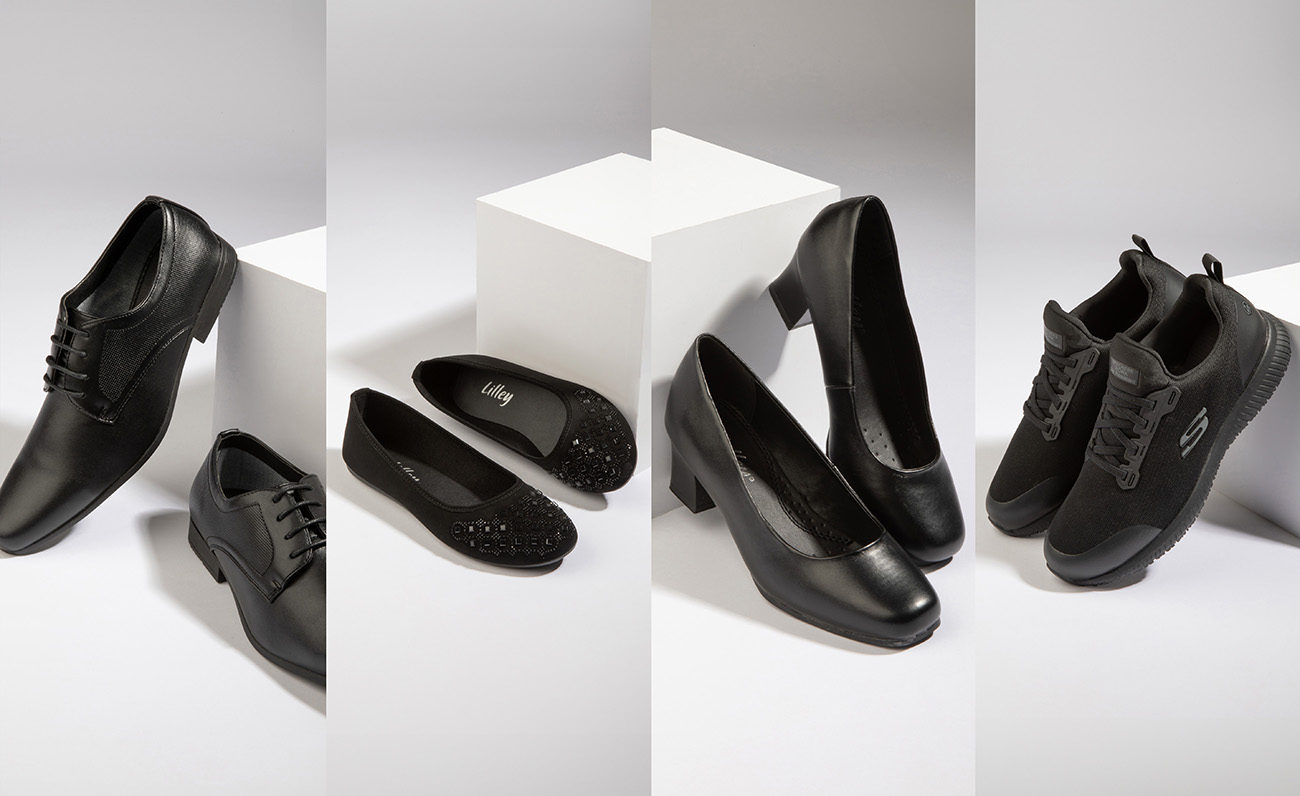
Teachers, nurses, retail workers, warehouse employees, and healthcare professionals spend long hours on their feet.
Supportive work shoes should include:
- Thick midsoles
- Excellent arch support
- Slip-resistant outsole (if required)
- Wide toe box
- Comfortable cushioning
Gym Workouts
Gym shoes should provide lateral stability rather than excessive cushioning.
Strength training requires:
- Flat, stable base
- Firm heel
- Secure fit
Avoid using highly cushioned running shoes for heavy weightlifting.
How to Know if Shoes Have Good Arch Support
If you’re wondering how to choose supportive shoes, testing them before buying is one of the smartest steps.
Here’s a simple checklist:
✓ The arch feels supportive without creating pressure.
✓ Your heel stays firmly in place.
✓ The shoe doesn’t twist easily.
✓ Your toes move freely.
✓ The shoe bends only near the toes.
✓ You can walk comfortably without slipping inside the shoe.
If a pair checks all these boxes, it’s more likely to provide lasting support than a shoe chosen only for its appearance.
Common Mistakes to Avoid When Choosing Supportive Shoes
Even high-quality shoes won’t help if they’re the wrong fit for your feet. Avoid these common mistakes when learning how to choose supportive shoes.
Buying Shoes Based Only on Appearance
A stylish design doesn’t guarantee comfort or support. While it’s great to find shoes that look good, prioritize fit, stability, and support first.
Ignoring Your Foot Size
Many adults continue wearing the same shoe size for years without realizing their feet can change due to age, weight fluctuations, or pregnancy. Measure your feet before buying a new pair, especially if it’s been a while.
Shopping at the Wrong Time of Day
Your feet naturally swell throughout the day. Shopping in the afternoon or evening helps you choose a size that remains comfortable after hours of walking or standing.
Assuming Expensive Means Better
Higher prices don’t always equal better support. Focus on the shoe’s features, construction, and how it fits your feet rather than the brand name or price tag.
Wearing Old Shoes Too Long
Even supportive shoes lose their structure over time. Once the midsole compresses or the outsole wears unevenly, the shoe can no longer provide the support your feet need.
How to Measure Your Feet Correctly
Proper measurements are the foundation of choosing supportive shoes.
Follow these simple steps:
- Place a sheet of paper against a wall.
- Stand on it with your heel touching the wall.
- Mark the tip of your longest toe.
- Measure the distance from the wall to the mark.
- Repeat with the other foot, as one foot is often slightly larger.
- Use the larger measurement when selecting your shoe size.
Also, wear the same type of socks you’ll typically wear with the shoes. Thick athletic socks can affect the fit.
Supportive Shoes vs. Cushioned Shoes
Many shoppers confuse cushioning with support, but they serve different purposes.
| Feature | Supportive Shoes | Cushioned Shoes |
|---|---|---|
| Primary Goal | Stability and alignment | Impact absorption |
| Best For | Everyday wear, walking, work | Running, recovery, high-impact activities |
| Arch Support | Usually stronger | May vary |
| Heel Stability | Excellent | Moderate |
| Motion Control | Often included | Usually limited |
The best choice often combines both support and cushioning rather than focusing on one feature alone.
How Often Should You Replace Supportive Shoes?
Even the best supportive shoes don’t last forever.
As a general guideline:
- Walking shoes: Every 500–800 km (300–500 miles)
- Running shoes: Every 500–800 km (300–500 miles), depending on use
- Everyday shoes: Approximately every 8–12 months with regular wear
- Work shoes: Replace sooner if you stand for long hours daily
Signs it’s time for a replacement include:
- Uneven outsole wear
- Flattened cushioning
- Reduced arch support
- Heel slipping
- New foot, knee, or back pain
Replacing shoes before they’re completely worn out helps maintain proper support and comfort.
Expert Checklist for Choosing Supportive Shoes
Use this checklist before making your next purchase.
✅ Correct size with enough room for your toes
✅ Firm heel counter
✅ Appropriate arch support for your foot type
✅ Stable midsole
✅ Flexible forefoot
✅ Durable outsole with good traction
✅ Comfortable from the first try
✅ Suitable for your intended activity
✅ Breathable upper material
✅ No pinching, rubbing, or slipping
If a shoe meets most or all of these criteria, it’s likely to provide reliable support for daily use.
Resources:
- American Podiatric Medical Association (APMA): Foot health, proper footwear, and shoe recommendations.
- American Academy of Orthopaedic Surgeons (AAOS): Information on foot pain, injury prevention, and healthy movement.
- National Institute on Aging (NIA): Tips for maintaining mobility and preventing falls through proper footwear, especially for older adults.
Frequently Asked Questions
How do I know if my shoes are supportive?
Supportive shoes should hold your heel securely, provide proper arch support, allow your toes to move freely, and flex only at the ball of the foot. They should feel stable while walking and remain comfortable without creating pressure points.
What should I look for in supportive shoes?
Focus on arch support, a firm heel counter, durable cushioning, a roomy toe box, breathable materials, and a stable outsole. The shoe should match your foot type and the activities you’ll use it for rather than simply following fashion trends.
Can supportive shoes help with foot pain?
Yes. Properly fitted supportive shoes can reduce stress on muscles, ligaments, and joints. While they aren’t a cure for medical conditions, they often relieve discomfort caused by poor footwear and improve overall walking comfort. Persistent pain should be evaluated by a healthcare professional.
How often should supportive shoes be replaced?
Most supportive shoes should be replaced after 300–500 miles of use or roughly every 8–12 months with regular wear. If you notice worn-out soles, flattened cushioning, or increasing discomfort, it’s probably time for a new pair.
Are supportive shoes worth the investment?
For many people, yes. Quality supportive shoes can improve comfort, reduce fatigue, and help lower the risk of foot-related problems. Investing in the right footwear may also save money over time by reducing the need for frequent replacements and helping prevent avoidable injuries.
Conclusion
Learning how to choose supportive shoes isn’t just about finding footwear that feels comfortable today—it’s about protecting your feet for years to come. By understanding your foot type, checking for essential support features, and selecting shoes designed for your daily activities, you’ll make smarter buying decisions and enjoy greater comfort with every step.
Remember that the best supportive shoes are the ones that fit your feet, match your lifestyle, and continue providing stability over time. Replace worn-out shoes when needed, avoid common shopping mistakes, and always prioritize fit over fashion.
Ready to find your next pair? Use the checklist in this guide during your next shopping trip, and you’ll be well on your way to healthier, happier feet. Which feature matters most to you when choosing a new pair of shoes—comfort, arch support, or durability?