Introduction
Have you ever opened your closet only to feel overwhelmed by a sea of clothes and still feel like you “have nothing to wear”? You’re not alone. Many people struggle with wardrobe clutter, holding on to items for sentimental reasons, impulse purchases, or the fear of wasting money. In fact, a survey by the National Association of Professional Organizers found that the average American has 86 unworn items in their closet at any given time.
If your wardrobe is bursting at the seams, it’s time to take control and declutter strategically. Decluttering your wardrobe isn’t just about tidying—it’s about improving your daily life, reducing decision fatigue, and building a closet that serves your lifestyle. This guide will walk you through practical steps to declutter your wardrobe without regret, so you can finally enjoy your clothes and your space.
Why Decluttering Your Wardrobe Feels So Hard
Clothing clutter isn’t just physical—it’s emotional. Many people attach memories, identity, or self-image to their clothes. Sunk cost fallacy also plays a role: spending money on an item makes it psychologically harder to part with, even if it’s never worn. Social pressures, trends, and fast fashion contribute to overconsumption, creating closets full of items that serve little purpose.
 why we hoard clothes we never wear
Step-by-Step Wardrobe Decluttering Method
Step 1 – Take Everything Out
Empty your closet completely to see exactly what you own. This method provides perspective and prevents you from “hiding” items in drawers or shelves.
Step 2 – Sort Into Categories
Create four piles: keep, donate, maybe, and discard. Ask yourself: “Have I worn this in the last year?” Items not worn in 12 months often belong in donate or discard.
Step 3 – Ask the Right Questions
- Does it fit my current lifestyle?
- Do I feel confident wearing it?
- Is it versatile for multiple occasions?
Step 4 – Remove Guilt From Expensive Items
Cost is a poor reason to keep clothes you never wear. Research shows that holding on to expensive, unworn items increases clutter stress (Psychology Today, 2023). Donate high-quality pieces—they may bring joy to someone else.
→ Psychology Today – Clutter and Stress
The 90-Day Rule: Test Before Letting Go
For items you’re unsure about, apply the 90-day rule. If you haven’t worn it in three months, it’s time to release it. This minimizes regret and ensures you only keep what truly fits your lifestyle.
Organizing the Keep Pile
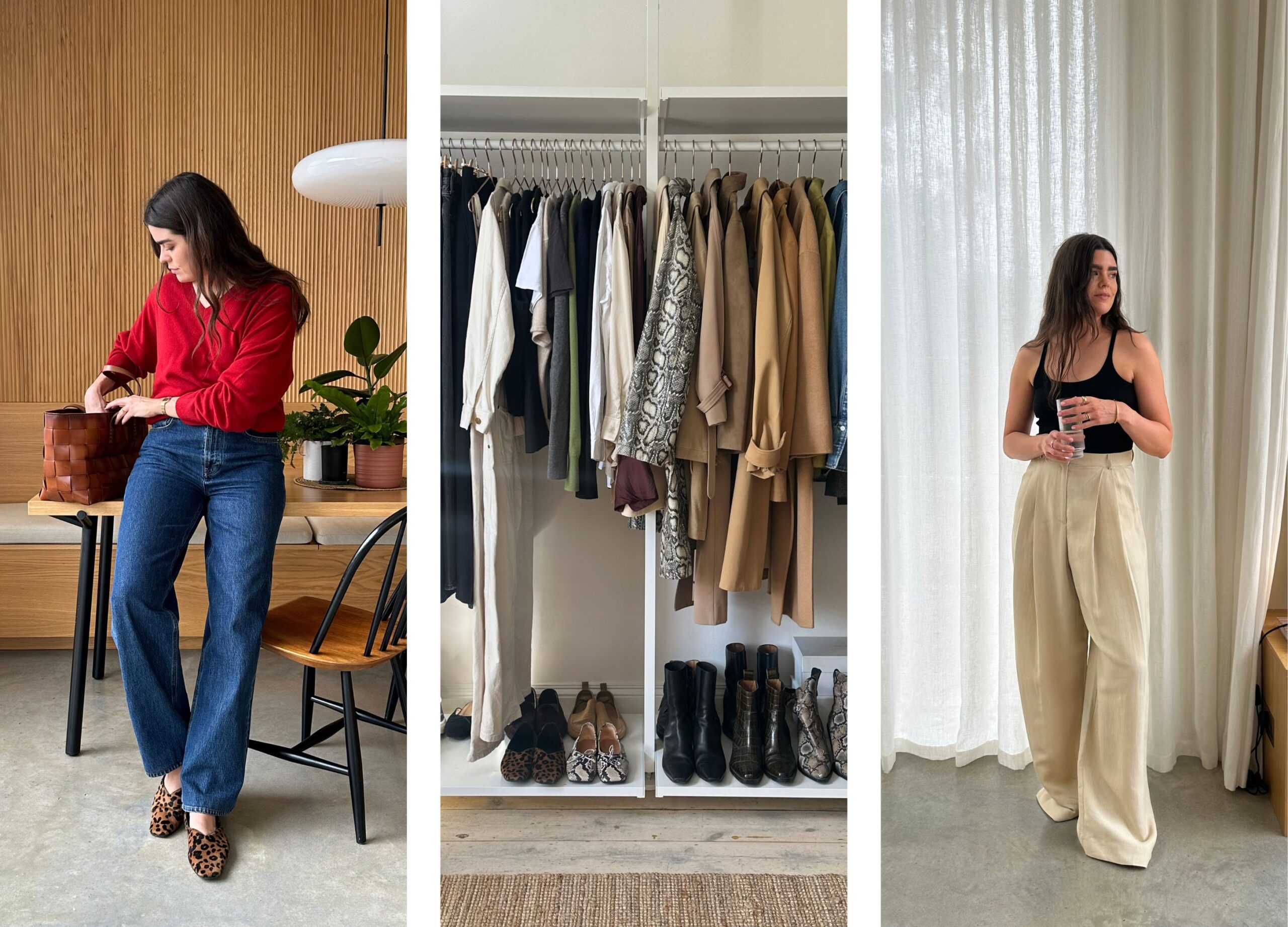
- Sort by category: tops, bottoms, dresses, outerwear
- Color-code for easy selection
- Use uniform hangers to visually reduce chaos
- Rotate seasonal items for better accessibility
→ Good Housekeeping – Closet Organization Tips
Handling the Donate and Discard Piles
- Donate: Local charities or online swap groups
- Sell: Thrift apps for lightly used items
- Recycle: Unwearable clothes go to textile recycling
- Avoid storing “maybe” items indefinitely—they’ll become clutter again
Common Mistakes to Avoid
- Decluttering in a hurry
- Keeping items for “what if” scenarios
- Storing clutter in other rooms
- Not scheduling regular declutter sessions
Maintaining a Functional Wardrobe
- Adopt a capsule wardrobe approach for essentials
- Use a purchase pause rule: wait 24–48 hours before buying
- Track what you wear most and rotate intentionally
FAQ’s
Q1: How often should I declutter my wardrobe?
A: Experts recommend twice a year, ideally at the start of spring and fall. Regular decluttering prevents accumulation and keeps your closet functional.
Q2: What should I do with clothes I haven’t worn in a year?
A: Donate or discard them. If they haven’t been worn in 12 months, it’s unlikely you’ll use them, and letting go frees up space for items you truly enjoy.
Q3: Can I declutter without feeling guilty?
A: Yes. Focus on the value the clothes will bring to someone else. Remind yourself that keeping unused items only adds stress.
Q4: How do I prevent future wardrobe clutter?
A: Use mindful shopping habits, capsule wardrobe principles, and regular reviews to prevent accumulating unnecessary clothes.
Q5: Should I involve someone else in decluttering?
A: Sometimes. A friend or family member can provide objective feedback, but make sure they respect your personal style choices.
Conclusion
Decluttering your wardrobe is about more than tidying—it’s about reclaiming your space, reducing stress, and building a closet that works for your lifestyle. By taking everything out, sorting carefully, applying rules like the 90-day test, and letting go of guilt, you can create a wardrobe that you love and actually use. Start small, focus on progress, and remember that every item you release is a step toward clarity and style freedom.
Are you ready to take the first step and declutter your wardrobe today? With these actionable steps, you’ll not only simplify your closet but also gain confidence in every outfit you wear.