Race day footwear has a tricky job: it needs to look dressy enough for the occasion but comfortable enough to survive several hours of standing, walking and socialising.
For most race-day outfits, a comfortable block heel, elegant low heel, polished flat or dressy wedge is a safer choice than an extremely high, narrow stiletto. The right pair depends on your outfit, the venue, the weather and how much walking you’ll actually be doing.
That last part matters more than it sounds. A beautiful shoe that becomes painful after 30 minutes can quickly turn an otherwise lovely race-day outfit into hard work.
This guide explains how to choose race day shoes, which styles work with dresses and trousers, what to consider for grass and outdoor venues, and the common footwear mistakes worth avoiding.
 Read more about StyleDress’s approach to practical occasion style
Quick answer: what shoes should you wear to race day?
Choose shoes that sit comfortably between occasion-appropriate and practical.
Good options include:
- Block-heel pumps
- Low or mid-height heels
- Slingback heels
- Dressy flats
- Elegant loafers
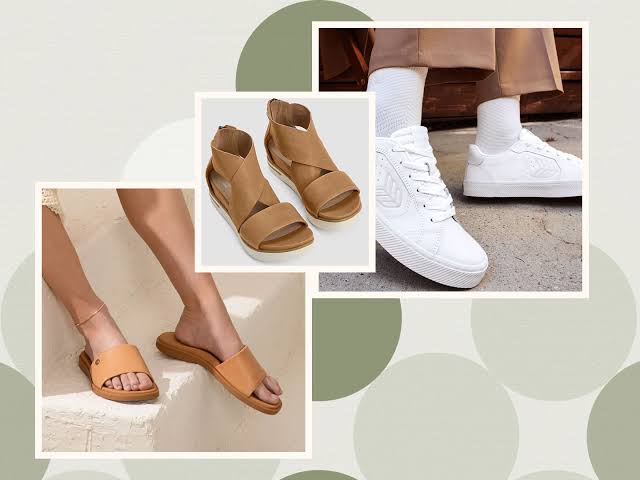
- Wedges for outdoor settings
- Refined sandals for warm-weather events
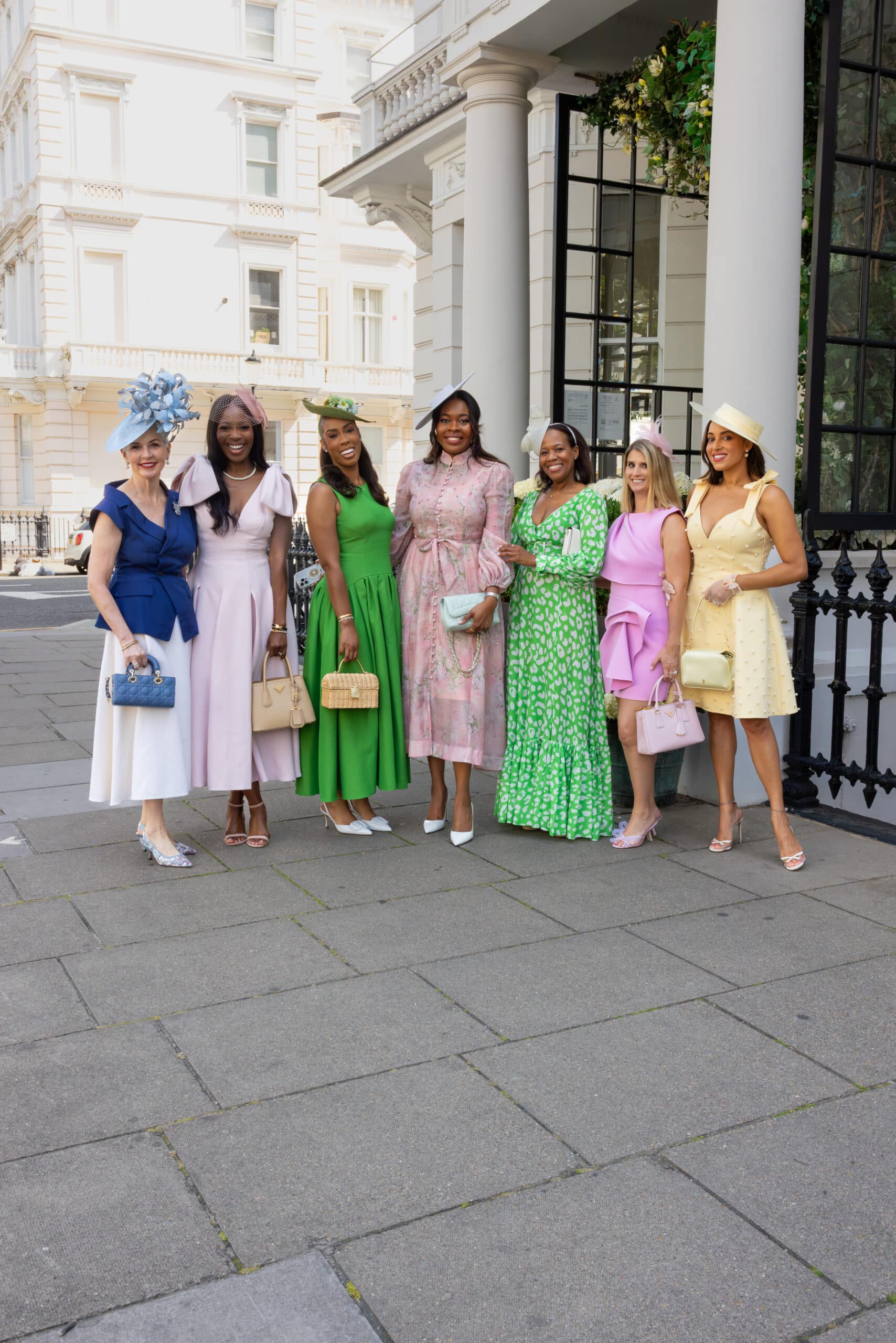
For a traditional race-day look, a midi dress with a modest heel is an easy starting point. If you’ll be walking across grass or spending much of the day outdoors, a wider heel or wedge can be more practical than a very thin heel.
The key is to match the shoe’s formality to the outfit while considering the ground you’ll actually be walking on.
The best race day shoes depend on your plans
There isn’t one universally correct race-day shoe. Start with three questions:
1. How formal is the event?
A formal marquee event calls for a more polished shoe than a casual day at a local track.
2. How much will you be walking?
Think beyond the entrance. You may walk from parking areas, across outdoor spaces, between hospitality areas and around the venue.
3. What is the surface?
Grass, gravel, pavement and indoor flooring all change what feels practical.
Here’s a simple way to decide:
| Your situation | A good starting point | Think twice about |
|---|---|---|
| Formal race-day event | Mid-height block heels or elegant pumps | Very casual trainers |
| Outdoor venue | Wedges or wider heels | Very narrow stilettos |
| Lots of walking | Low heels, flats or supportive dress shoes | Unfamiliar high heels |
| Warm summer race day | Slingbacks, dressy sandals or lightweight heels | Heavy closed shoes |
| Cooler or changeable weather | Closed-toe pumps or polished loafers | Delicate shoes that won’t suit the conditions |
| Trousers or tailored separates | Loafers, pointed flats or structured heels | Shoes that fight the clean tailoring |
There are no absolute rules here. The invitation, venue and dress code should always take priority.
1. Block heels: the easiest balance of style and comfort
If you’re unsure what shoes to wear to race day, block heels are one of the easiest places to start.
A block heel has a wider base than a stiletto, giving you a more grounded appearance and, for many people, making it easier to stand and walk for longer periods.
They also work particularly well with race-day dresses.
Try:
Midi dress + block heels + small structured bag + simple earrings
For a dress with a busy print, keep the shoes relatively clean and understated. If the dress is a solid colour, the shoes can provide a little more visual interest through texture, colour or a refined detail.
A mid-height heel is also useful if you want some lift without making the entire outfit feel dependent on the shoes.
2. Low heels and slingbacks for a polished look
You don’t need a tall heel to make a race-day outfit feel dressed up.
A low or medium heel can look elegant with a midi dress, tailored trousers or a skirt. Slingbacks are particularly useful when you want something lighter-looking than a traditional pump.
A pointed or softly almond-shaped toe can add a dressier finish, while a simple silhouette keeps the shoe from competing with accessories such as a fascinator or statement earrings.
Try this formula:
Tailored trousers + fitted blouse + slingback heels + structured handbag
This is a useful alternative if dresses aren’t your thing. Race-day dressing doesn’t have to mean wearing a frock.
3. Dressy flats are completely reasonable
If heels aren’t comfortable for you, don’t force them simply because you think race day requires them.
A polished flat can work beautifully with the right outfit. Look for details that make the shoe feel intentional rather than everyday-casual: a refined finish, pointed toe, subtle embellishment or elegant shape.
Ballet flats, sophisticated pointed flats and dressy loafers can all work, particularly with:
- Tailored trousers
- An elegant midi dress
- A structured jumpsuit
- A skirt and blouse combination
The trick is proportion.
If your outfit is quite elaborate, a simple flat can prevent the overall look from becoming too busy. Conversely, a very casual flat may make a formal dress feel mismatched.
4. Wedges can be useful for outdoor race days
Outdoor events create a footwear problem that indoor occasions don’t.
A narrow heel can feel awkward on soft ground, while a wedge distributes your weight across a larger area. That can make it a practical choice for some grass-based settings.
A wedge doesn’t have to look casual, either. Choose a refined design with a relatively clean upper rather than something that looks more suited to the beach.
Race-day formula:
Structured midi dress + elegant wedge + compact handbag + understated jewellery
This is particularly useful for warm-weather outdoor events where you want some height without committing to a delicate heel.
5. Loafers for a modern race-day outfit
Loafers aren’t the first shoe people think of for race day, but they can work when the event allows a slightly more contemporary interpretation of occasion dressing.
Try a sleek loafer with tailored trousers, a blouse and a structured jacket.
The result is polished without relying on a traditional heel.
This option is especially useful if you already prefer smart-casual dressing. Rather than buying a pair of shoes you’ll rarely wear again, you can choose footwear that also works with your everyday wardrobe.
That’s a useful principle for occasion dressing generally: the most sensible purchase is often the one that earns its place outside the event.
StyleDress also recommends thinking about comfort, fit and versatility when choosing footwear. Its broader shoe comfort guide covers practical considerations such as fit, cushioning, toe room and walking comfort.
How to match race day shoes with your outfit
Your shoes don’t have to be an exact colour match for your dress.
Instead, look at the overall relationship between the pieces.
With a bold or printed dress
Choose a shoe in a quieter colour or finish.
For example:
Floral midi + nude-toned block heel + neutral clutch
The shoe supports the outfit without introducing another competing pattern.
With a simple one-colour dress
You have more freedom.
A navy or cream dress could work with metallic shoes, a contrasting neutral or a shoe in a related tone.
With tailored trousers
Pointed flats, loafers, slingbacks and structured heels are natural options.
Keep the proportions clean. A very delicate shoe can look slightly disconnected from wide-leg trousers, while a heavier shoe may work better with a fuller trouser silhouette.
With a statement fascinator
Let the fascinator have some breathing room.
If your headwear is large, colourful or highly detailed, a relatively simple shoe often creates a more balanced outfit.
You don’t need every accessory to make a statement.
Discover neutral shoes that work with multiple outfits
Don’t forget the race-day weather
New Zealand race days can involve very different conditions depending on the season and location, so check the forecast before choosing delicate footwear.
For a warm, dry day, sandals or slingbacks may feel more comfortable than heavy closed shoes.
For a cooler event, closed-toe heels, loafers or polished flats can make more sense, particularly if you’re wearing a jacket or coat.
If rain is possible, think carefully before choosing a pale or particularly delicate shoe that you’ll spend the day worrying about.
This is one area where practicality improves style rather than competing with it. You’ll look more comfortable when you’re not constantly checking where you’re putting your feet.
The fit matters more than the heel height
A modest heel isn’t automatically comfortable, and a higher heel isn’t automatically uncomfortable.
The construction and fit of the shoe matter.
Before committing to a pair for race day, check:
- Does your heel stay securely in place?
- Are your toes being squeezed?
- Is there uncomfortable pressure across the widest part of your foot?
- Can you walk naturally?
- Does the shoe rub anywhere?
- Can you stand in it comfortably for several minutes?
If you’re buying online, pay particular attention to the retailer’s sizing information and return policy.
Don’t save the first wear for race morning.
StyleDress’s footwear guidance similarly recommends checking toe room, heel fit and pressure points before committing to a pair.
Learn more about choosing comfortable shoes for long hours
The biggest race-day shoe mistake: wearing brand-new shoes
A race day is not the ideal occasion to discover that your beautiful new heels rub.
If possible, wear the shoes around the house beforehand. Walk, stand and sit in them. If something starts to pinch after ten minutes at home, it probably won’t become more comfortable after several hours at an event.
For a new pair, a short trial is much more useful than simply standing in front of the mirror.
Also consider what you’ll carry. If you’re taking a small race-day bag, there may not be much room for emergency footwear supplies, so preparation matters.
What if you really want high heels?
You can absolutely wear them if you know you’ll be comfortable in them.
The question isn’t whether high heels are “allowed”. It’s whether the particular heel works for your outfit, venue and tolerance for standing and walking.
If you love a stiletto, consider:
- A shorter heel than you usually wear
- A stable heel shape
- A secure strap
- A shoe you’ve worn before
- A backup pair for later, if practical
For an outdoor event, a very narrow heel may simply be less convenient than a block heel or wedge.
A simple race-day shoe decision framework
Still undecided?
Use this:
Want height + comfort → block heel
Want elegance without much height → low heel or slingback
Expect lots of walking → polished flat or supportive low heel
Event is outdoors → wedge or wider heel
Wearing tailored trousers → loafer, pointed flat or slingback
Wearing a statement dress/fascinator → simpler shoes
Want a shoe you can wear again → choose a versatile neutral
That last point is worth considering before buying anything specifically for race day.
A shoe in black, cream, tan, navy or another colour already present in your wardrobe can often work beyond the event. StyleDress’s broader wardrobe guidance similarly emphasises versatile pieces that can be combined across different outfits rather than buying for one use only.
Three easy race-day outfit formulas
The classic option
Midi dress
- mid-height block heels
- small structured handbag
- simple jewellery
- fascinator or elegant hat, if appropriate
Choose this if you want a recognisably dressed-up race-day look without making the outfit complicated.
The modern option
Tailored wide-leg trousers
- silky or polished blouse
- slingback heels
- structured bag
- minimal jewellery
A good choice if dresses aren’t your style.
The comfort-first option
Elegant midi dress
- dressy low heels or pointed flats
- compact handbag
- one noticeable accessory
This works particularly well when you’ll be on your feet for much of the day.
Browse the full StyleDress collection for race day inspiration
What should you avoid?
Rather than a strict list of forbidden shoes, think about what could make the day unnecessarily difficult.
Generally, reconsider:
- Shoes you’ve never worn before
- Heels that make walking uncomfortable
- Very narrow heels for soft outdoor ground
- Shoes that pinch when you stand
- Extremely casual footwear with a formal outfit
- Shoes that clash with an already elaborate outfit
- Delicate footwear that isn’t suited to the forecast or venue
The goal isn’t to make your footwear boring. It’s to make sure your shoes support the outfit rather than becoming the problem you remember afterwards.
The StyleDress takeaway
The best race day shoes aren’t necessarily the highest, most expensive or most eye-catching pair.
They’re the ones that make sense for your outfit and your day.
If you’re new to race-day dressing, start with a comfortable block heel or polished low heel. If you’ll be walking on grass, consider a wedge or wider heel. If you prefer flats, choose an elegant pair with enough structure to feel occasion-appropriate.
And before you buy anything, look at the rest of your wardrobe. A versatile pair of shoes that works with race-day dresses, tailored trousers and other occasions is usually a smarter addition than a spectacular pair that spends the rest of the year in its box.
StyleDress’s own approach combines fashion with functionality and includes shoes and accessories alongside race-day attire, so comfort doesn’t need to be treated as the enemy of polished dressing.
Explore how to build a versatile wardrobe for occasion dressing
FAQ’s
What shoes should women wear to race day?
Block heels, low heels, slingbacks, elegant flats, loafers and refined wedges can all work. Choose according to the dress code, venue, weather, outfit and how much walking you’ll be doing.
Can I wear flats to race day?
Yes. A polished flat can be an excellent choice, especially if you’ll be standing or walking for several hours. Choose an elegant shape and pair it with a suitably dressed-up outfit.
Are wedges suitable for race day?
Wedges can be practical for outdoor events because they offer height with a broader base. Choose a refined style that complements the formality of your outfit.
What shoes should I wear with a race-day dress?
A midi dress pairs easily with block heels, slingbacks, low heels or elegant flats. Let the dress’s colour, print and level of detail guide how simple or noticeable the shoes should be.
Can I wear loafers to race day?
Yes, particularly with tailored trousers or a modern, less traditional outfit. Choose a polished loafer rather than a very casual everyday style.
Should race-day shoes be the same colour as my dress?
No. Coordinating colours often look more natural than an exact match. Neutral shoes are particularly useful with printed or brightly coloured dresses, while a simple dress gives you more freedom to introduce contrast.