By StyleDress Editorial Team
Practical fashion and wardrobe guidance for everyday and occasion dressing.
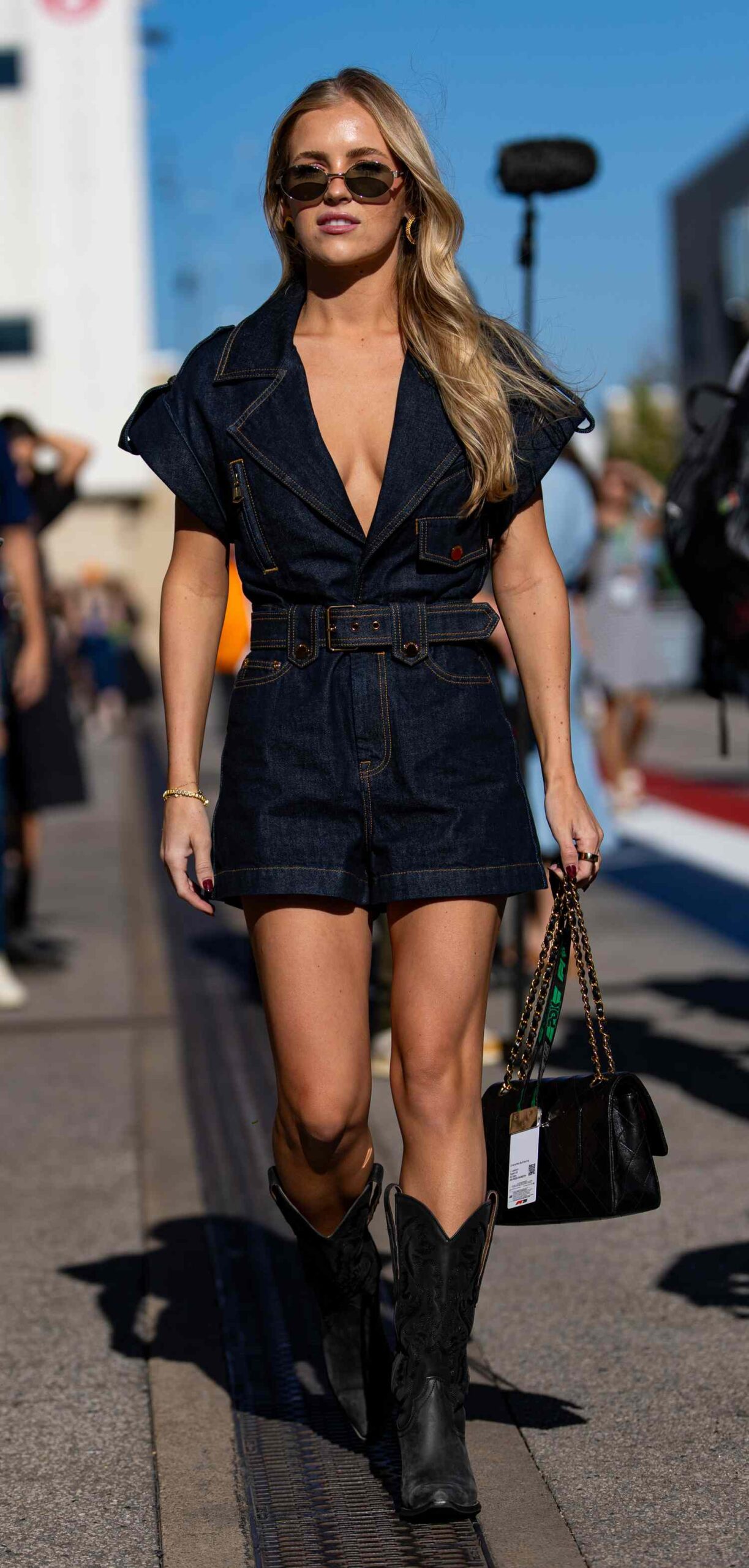
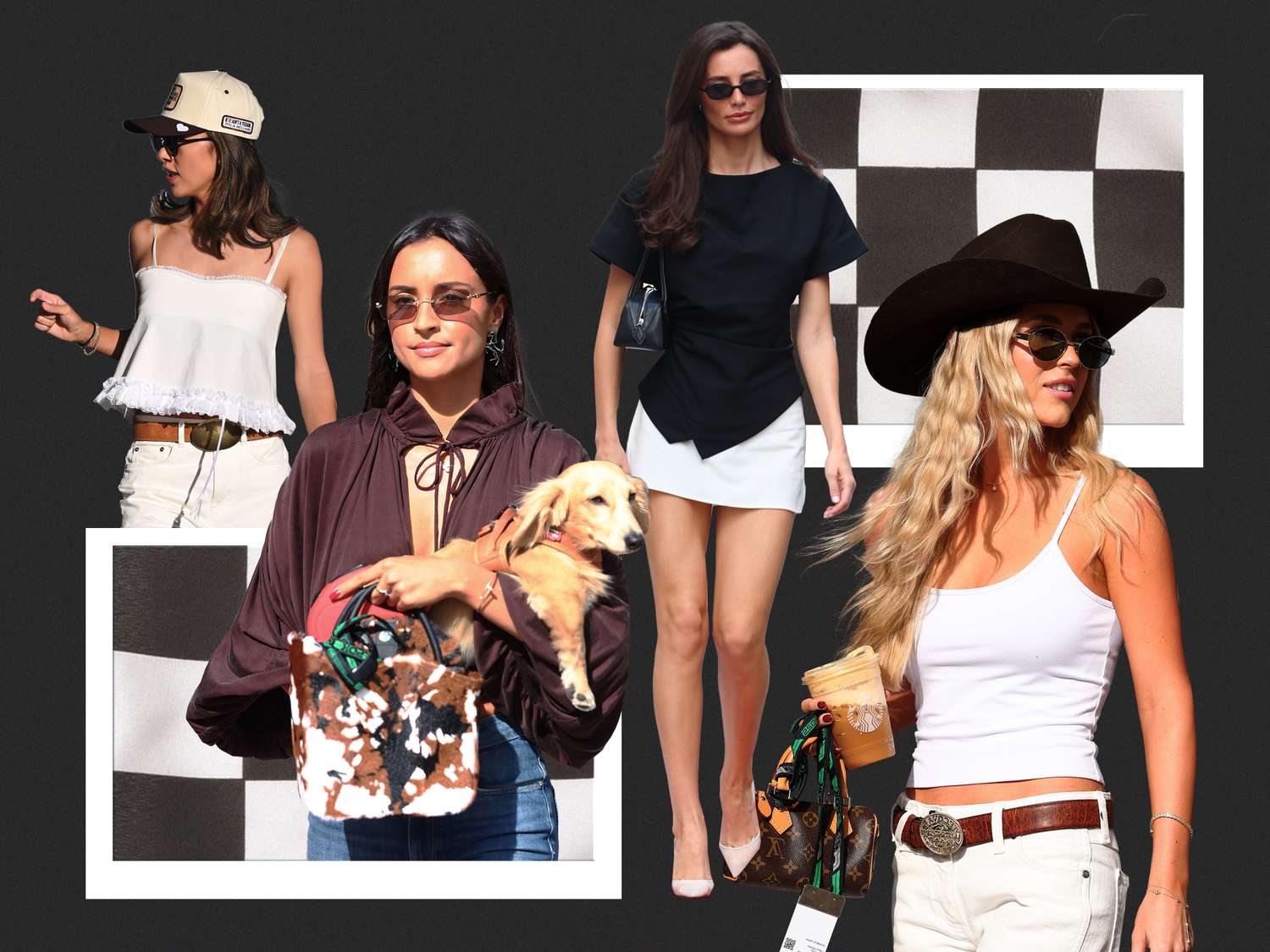
If you’re wondering what to wear to race day, the easiest answer is: dress polished, occasion-appropriate and comfortable enough to spend several hours on your feet. For a major race meeting, that often means a dress or tailored separates, smart shoes, a small handbag and a hat or fascinator if it suits the event. For a more relaxed meeting, the dress code may be much less formal.
The key is not simply finding a pretty dress. Race-day dressing is about putting the whole outfit together — clothing, shoes, accessories, weather protection and even your choice of handbag.
For New Zealand racegoers, there’s another consideration: the weather can change quickly, and different racecourses and areas can have very different dress expectations. New Zealand Thoroughbred Racing notes that dress codes vary by club, while major carnival days tend to be more dressed-up than ordinary country meetings.
This guide covers what women wear to race day, including dresses, trousers, jumpsuits, shoes, fascinators, hats, layering, colours, practical outdoor choices and easy outfit formulas.
Quick answer: what should a woman wear to race day?
For a traditional or major race day, a midi dress with comfortable heels or wedges, a structured handbag, simple jewellery and a coordinated hat or fascinator is a reliable choice.
You can also wear tailored trousers with an elegant blouse, a skirt with a polished top, or a sophisticated jumpsuit if the event’s dress code permits it.
Before choosing your outfit, check three things:
- The racecourse and event’s dress code
- Where you’ll be spending the day
- The forecast and likely amount of walking or standing
That last point matters more than it sounds. A beautiful outfit becomes much less enjoyable when your shoes hurt after an hour or your jacket is too light for an exposed grandstand.
What makes a good race-day outfit?
Race-day dressing sits somewhere between everyday smart-casual clothing and formal occasionwear.
The exact level depends on the event. New Zealand Thoroughbred Racing explains that there is generally no universal dress code across New Zealand race meetings, although major carnivals are commonly associated with more polished dressing.
Some venues go further and impose specific requirements for particular enclosures. Auckland Racing, for example, states that certain Ellerslie and Pukekohe Park precincts have dress standards and that entry can be refused if those requirements aren’t followed.
So don’t assume that “the races” automatically means one particular outfit.
A useful way to think about it is:
Relaxed meeting:
Polished sundress + flats or low heels + small bag
Industry or smart race day:
Midi dress or tailored trousers + blouse + blazer + dressy shoes
Major carnival or premium enclosure:
Structured dress or sophisticated separates + heels or wedges + coordinated headwear + occasion accessories
The outfit should feel intentional from head to toe.
Step 1: Check the dress code before choosing your outfit
This is the step many first-time racegoers skip.
Look at the racecourse website, your ticket information and the specific enclosure you’re attending. Don’t rely solely on photos from previous years because dress expectations can change between events and even between areas of the same venue.
A general admission lawn can have a completely different atmosphere from a members’ area, hospitality enclosure or fashion precinct.
For example, Auckland Racing says general admission at its venues can have a laid-back style, while particular precincts expect smart race-day attire.
If the invitation says “smart”
Think polished rather than formal.
Try:
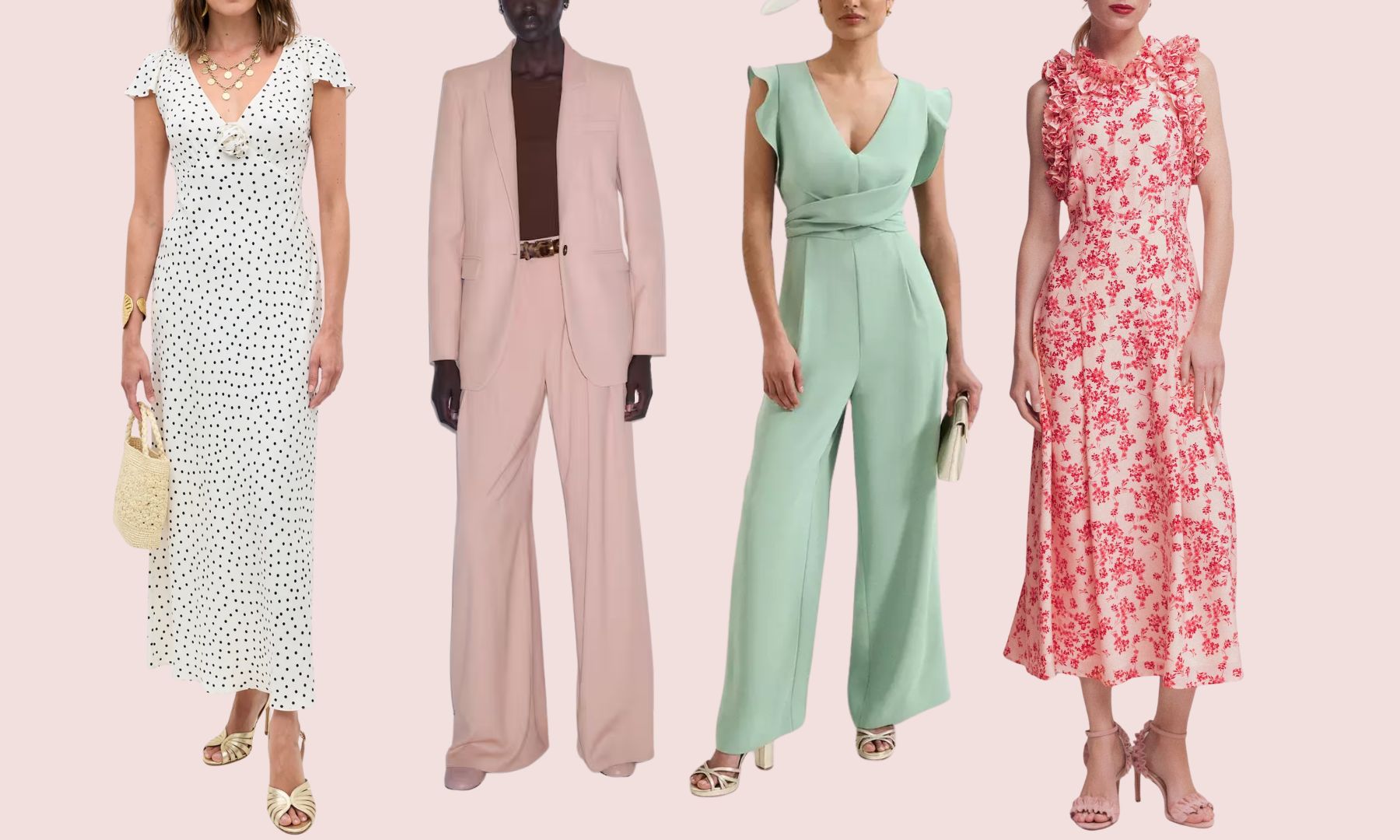
- A midi dress
- Tailored trousers and a blouse
- A knee-length or midi skirt with a refined top
- A simple jumpsuit
- Low heels, wedges or polished flats
If it’s a major race day
You have more room to embrace occasion dressing.
This is where you can introduce:
- A brighter colour
- A structured dress
- A statement hat
- A fascinator
- Elegant jewellery
- A more formal handbag
- A stronger shoe
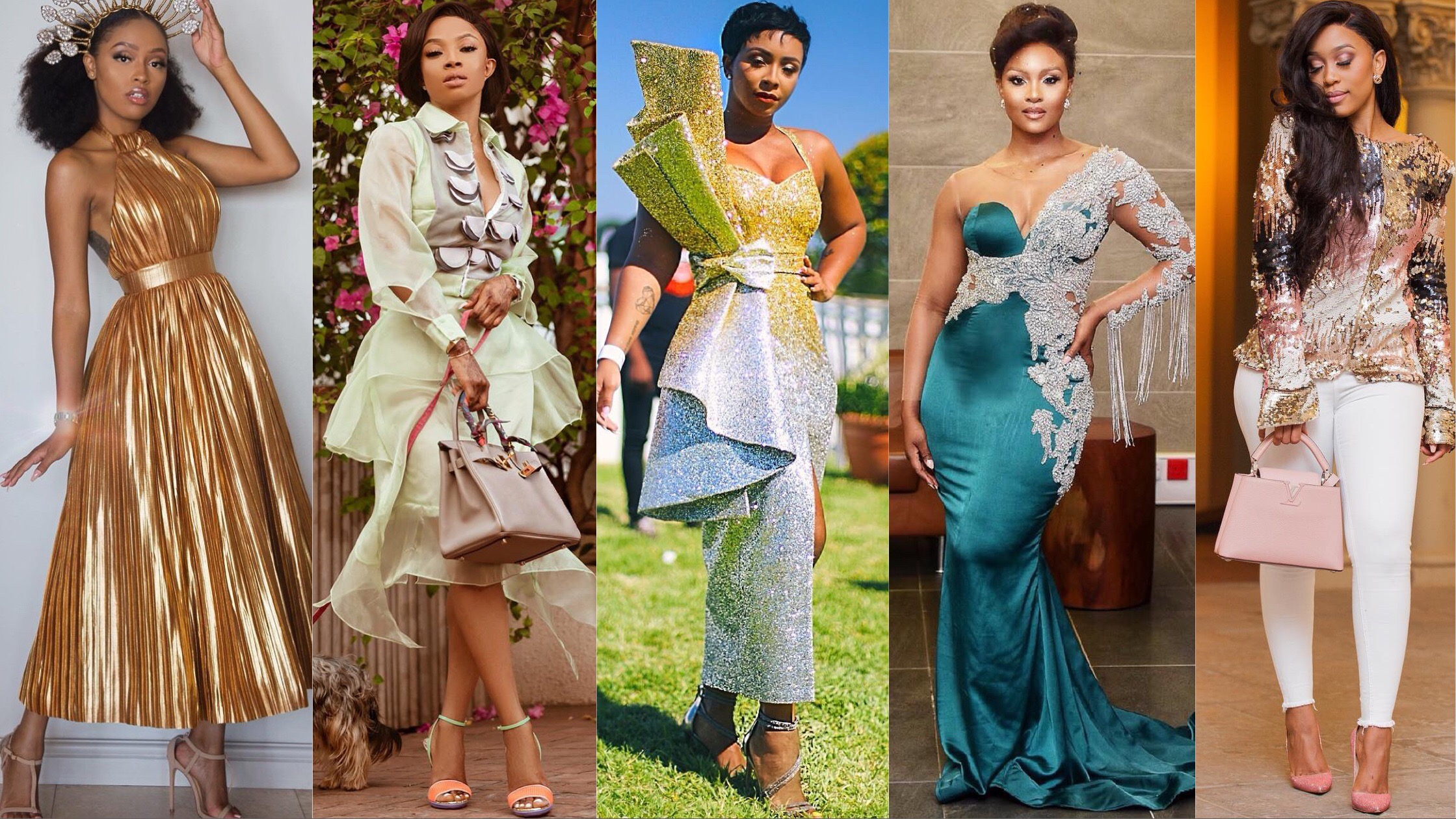
New Zealand racing guidance specifically describes premier days as occasions when women commonly wear beautiful dresses, hats and fascinators.
If you’re unsure
Dress slightly smarter than your everyday clothes, but don’t buy an entirely new wardrobe for one afternoon.
A well-cut dress you already own can often become race-day appropriate simply by changing the shoes, bag and headwear.
The easiest race-day outfit: the midi dress
For beginners asking what dress should I wear to race day?, the midi is one of the easiest places to start.
A midi dress falls around the lower calf or between the knee and ankle, depending on the cut and your height. It works well because it looks occasion-ready without being excessively formal.
Look for:
- A defined waist or flattering seam
- A comfortable neckline
- Enough room to sit down comfortably
- A fabric that doesn’t crease excessively
- A hem that won’t constantly need adjusting
- A colour or print that works with your accessories
A simple dress can do most of the work for you.
Race-day dress formula
Midi dress + block heel or wedge + small structured bag + earrings + fascinator
If the dress has a strong print, keep the accessories relatively quiet.
If the dress is a single colour, you can make the hat, shoes or jewellery more noticeable.
What colours work?
Race day is one of the occasions where colour can be particularly enjoyable.
You don’t have to wear pastels or florals, though. Consider:
- Navy
- Emerald
- Cobalt
- Coral
- Pink
- Red
- Cream
- Soft blue
- Burgundy
- Rich chocolate
- Black with a contrasting accessory
The most useful question isn’t “Is this a race-day colour?”
Ask instead:
Can I coordinate three or four elements around this colour without making the outfit look busy?
For example:
Emerald dress + nude shoes + cream fascinator + gold jewellery
has a clear visual direction.
Can you wear trousers to race day?
Yes. Trousers can be an excellent choice, particularly if you don’t enjoy dresses.
The trick is making the outfit look deliberately occasion-ready rather than like office clothing.
Try:
Wide-leg tailored trousers + silk-look blouse + fitted blazer + pointed flats
or:
High-waisted trousers + elegant sleeveless top + cropped jacket + block heels
A jumpsuit can work in much the same way.
How to make trousers feel dressier
Use at least two of these:
- Interesting fabric
- Tailored cut
- Refined blouse
- Structured blazer
- Elegant belt
- Dressy shoes
- Small occasion bag
- Jewellery
If you simply wear work trousers with a basic knit and everyday flats, the outfit may look too ordinary for a major race meeting.
That doesn’t mean trousers are wrong. They just need a little styling.
What shoes should you wear to the races?
Your race-day shoes need to survive the actual day, not just look good in photographs.
This is especially important at outdoor venues where you may walk across grass, gravel, concrete or uneven paths.
The best race-day shoe options
Block heels:
A good middle ground between elegance and stability.
Wedges:
Useful when you expect to spend time outdoors or on grass because the wider base can feel more stable than a narrow heel.
Low heels:
Ideal if you want some height without committing to a high heel.
Dressy flats:
A perfectly reasonable choice when comfort is your priority, particularly for relaxed race days.
Heeled sandals:
Good for warm-weather events, provided they’re suitable for the venue and comfortable enough for extended wear.
The New Zealand racing fashion site The Races has similarly recommended comfortable wedges for summer racing, noting that racegoers can spend much of the day on their feet.
 For all-day comfort, read our shoe comfort guide for all-day wear
The shoe test you shouldn’t skip
Don’t make race day the first time you wear your shoes.
Walk around the house in them. Sit down. Walk upstairs. Stand for 15–20 minutes. Check whether your heel slips or your toes feel compressed.
The Races also recommends breaking in new shoes before race day.
If the shoes aren’t comfortable at home, several hours at an event won’t magically improve them.
Do you need to wear a fascinator?
No — not automatically.
A fascinator is a decorative headpiece, usually smaller and lighter than a traditional hat. It’s strongly associated with race-day fashion, but whether you need one depends on the event, enclosure and your personal preference.
New Zealand racing guidance says fascinators and hats are common on premier days, while general race meetings can be considerably more relaxed.
Choose a fascinator when:
- You want a traditional race-day look
- You’re attending a fashion-focused enclosure
- Your outfit feels slightly plain and needs a focal point
- The event encourages headwear
- You enjoy occasion accessories
Choose a hat when:
- You want stronger sun protection
- The event is particularly formal
- A wide-brim silhouette suits your outfit
- You want the headwear to be the main statement
Skip headwear when:
- The dress code doesn’t call for it
- Your outfit already has several strong details
- You simply don’t feel comfortable wearing one
- Weather conditions make it impractical
There’s no point wearing an elaborate fascinator if you’re going to spend the entire afternoon worrying about it.
How to coordinate your fascinator with your outfit
The easiest beginner mistake is trying to match everything exactly.
Your fascinator doesn’t need to be the identical shade of your dress.
Instead, look for a colour relationship.
For example:
Navy dress + pale blue fascinator + nude shoes
or
Cream dress + black fascinator + black shoes
or
Pink dress + burgundy headpiece + neutral bag
This creates coordination without making the outfit look like it came as a matching set.
If your dress is heavily patterned, choose one colour from the print and repeat it in the headpiece.
That small trick makes the entire outfit look more considered.
What handbag should you take?
Race day isn’t the time for an enormous everyday tote unless you genuinely need one.
A small or medium structured handbag usually works better with occasionwear.
Look for enough room for:
- Phone
- Cards
- Keys
- Lip colour
- Sunglasses
- Small sunscreen
- Any essential personal items
A crossbody can be practical for a relaxed event, while a clutch or small top-handle bag feels more formal.
A useful rule
If your hat is dramatic, keep the bag simple.
If your dress is understated and you’re skipping a large headpiece, the bag can provide a little more visual interest.
The goal is balance.
Jewellery: keep it intentional
Race-day accessories don’t need to compete with each other.
If you’re wearing a statement fascinator, large earrings and a bold necklace may be unnecessary.
Instead, choose one main accessory and let the others support it.
Three easy combinations
Statement hat:
Small earrings + delicate bracelet + simple bagStatement earrings:
No necklace + understated bag + simple headwearStatement dress:
Minimal jewellery + neutral shoes + clean handbag
Pearls, simple gold or silver jewellery, small hoops and delicate chains can all work well when you want the outfit to feel polished rather than heavily accessorised.
Race-day outfits for different seasons
New Zealand race days aren’t confined to one weather pattern. A spring afternoon can be warm in the sun and chilly in the shade, while an autumn meeting can feel completely different by the time the last race finishes.
Build the outfit around the forecast rather than assuming the season will behave predictably.
Spring race day
Try:
Floral or solid midi dress + low block heel + lightweight blazer + fascinator
A blazer gives you an easy extra layer without making the outfit feel like winterwear.
Summer race day
Try:
Breathable midi dress + wedge sandals + lightweight hat + small shoulder bag
Look for fabrics that allow some airflow and avoid anything that becomes uncomfortable when you’re sitting outdoors.
Autumn race day
Try:
Long-sleeve midi dress + closed-toe heels + tailored coat + structured bag
You can also wear tailored trousers with a blouse and blazer.
Winter race day
Winter racing requires more planning.
Try:
Midi dress + opaque tights + ankle boots or closed-toe heels + tailored coat
Or:
Wide-leg trousers + blouse + wool coat + polished boots
The important thing is to keep the outer layer compatible with the outfit. A bulky everyday puffer may be wonderfully warm but can change the proportions of a polished occasion outfit.
If you expect rain, don’t sacrifice your comfort simply to maintain a delicate summer-style look. A smart waterproof outer layer and sensible shoes can save the day.
Start with essentials using our neutral wardrobe basics guide
What to wear to an outdoor race event
Outdoor racing creates a different set of problems from an indoor function.
You need to think about:
- Sun
- Wind
- Rain
- Grass
- Uneven surfaces
- Temperature changes
- Long periods standing
- Walking between areas
- Seating conditions
This is where the prettiest outfit isn’t always the most successful outfit.
If rain is likely
Choose:
- A fabric that won’t become uncomfortable when damp
- Shoes with a practical sole
- A coat or jacket that actually protects you
- A handbag that closes securely
- Headwear that won’t become difficult in strong wind
If it’s windy
Be cautious with very light skirts, loose scarves and oversized headpieces unless they’re properly secured.
A structured dress, trousers or a midi skirt often gives you more peace of mind.
If the venue has grass
Consider the heel.
A very narrow stiletto can be awkward on soft ground. A block heel or wedge is generally a more practical option.
This is one of those moments when comfort and style aren’t competing — the practical shoe can actually make the whole outfit look more polished because you’re walking confidently.
What to wear if you’re attending a major race day
Major race days are the occasion to make more of an effort.
If you’re attending a prominent carnival, hospitality area or fashion-focused precinct, consider:
- A structured midi dress
- Tailored jumpsuit
- Coordinated separates
- Elegant headwear
- Dressier footwear
- A refined handbag
- One noticeable accessory
You don’t need to wear the biggest hat or brightest dress in the room.
Instead, aim for one clear focal point.
For example:
Navy midi dress + sculptural fascinator + nude block heels
or
Cream trousers + bright blouse + tailored jacket + statement earrings
The outfit looks deliberate because each piece has a job.
What to wear to a relaxed race meeting
Not every race day is a fashion competition.
For a casual country meeting or relaxed general-admission event, you may be much more comfortable in:
Printed midi dress + sandals + denim or lightweight jacket
or
Tailored trousers + blouse + loafers
or
Simple dress + clean flats + crossbody bag
New Zealand Thoroughbred Racing specifically distinguishes more relaxed country meetings from major carnival days.
So don’t feel pressured to wear a fascinator and heels if the event doesn’t call for it.
Race-day outfit ideas if you don’t like dresses
You have plenty of options.
Option 1: Tailored trousers
Wide-leg trousers
- satin or polished blouse
- block heels
- structured handbag
- earrings
This is sophisticated without feeling traditionally feminine.
Option 2: Jumpsuit
Wide-leg jumpsuit
- low heels
- small clutch
- statement earrings
A jumpsuit can give you the visual impact of a dress while providing more coverage and freedom of movement.
Option 3: Skirt and blouse
Midi skirt
- fitted or softly tailored blouse
- cropped jacket
- slingback shoes
This is particularly useful when you want to mix pieces you already own.
Learn styling ideas in how to mix and match a small wardrobe
How to choose a race-day outfit for your body proportions
You don’t need to follow a strict “dress for your body type” rule.
Instead, think about proportion, meaning how the sizes and shapes of different garments relate to one another.
If your skirt or trousers are wide, a more defined top can create balance.
If your dress is fitted through the body, a structured jacket or fuller hat can add visual interest.
If you’re petite, a very large hat combined with a voluminous dress may overwhelm your frame; a smaller headpiece and cleaner silhouette may feel more balanced.
If you prefer more coverage, look for:
- Higher necklines
- Elbow-length or full sleeves
- Midi hems
- Relaxed tailoring
- Structured jackets
The best outfit is the one you don’t spend the entire day adjusting.
Choose flattering outfits using our guide to clothes that suit different body shapes and personal style
Three foolproof race-day outfit formulas
If fashion terminology is making the decision harder rather than easier, forget the rules and start with a formula.
Formula 1: Classic race day
Midi dress
- block heel
- small structured bag
- fascinator
- simple earrings
Best for: major race days, fashion precincts and traditional occasion dressing.
Formula 2: Modern race day
Wide-leg tailored trousers
- elegant blouse
- cropped blazer
- pointed flats or block heels
- statement earrings
Best for: women who don’t enjoy dresses or prefer a contemporary silhouette.
Formula 3: Relaxed outdoor race day
Printed midi dress
- dressy flats or wedges
- light jacket
- crossbody bag
- sunglasses
Best for: country meetings, general admission and events where comfort matters more than formal dressing.
What not to wear to race day
There isn’t one universal list of forbidden clothing because race-day rules vary by venue.
Instead, think about what tends to work poorly.
Very uncomfortable shoes
If you know you’ll be standing and walking for hours, extremely high heels may not be worth it.
Clothes you constantly need to adjust
A race day isn’t the ideal setting for a neckline you have to pull up every few minutes or a skirt that keeps riding upwards.
Extremely casual basics at a formal precinct
A basic T-shirt, distressed denim or gym-style footwear can look out of place in a formal enclosure even if general admission allows casual clothing.
An outfit that ignores the weather
A delicate summer dress isn’t much fun in cold wind. Likewise, heavy layers can become uncomfortable on a warm spring afternoon.
Too many statement pieces
A bold dress, enormous hat, oversized earrings, glittering shoes and dramatic bag can all be individually attractive but overwhelming together.
Pick a hero.
Common race-day fashion mistakes
1. Choosing the outfit before checking the venue
This can leave you either overdressed or, worse, underdressed for an area with specific requirements.
2. Buying shoes at the last minute
New shoes need to be worn in before the event.
3. Forgetting to sit down in the outfit
Try your complete outfit while sitting before race day.
A dress that looks perfect standing up may crease awkwardly, ride up or feel restrictive when seated.
4. Treating the hat as an afterthought
Headwear changes the visual balance of the outfit. Decide on it before finalising your shoes and bag.
5. Ignoring the ground beneath you
A racecourse isn’t a restaurant floor. Check whether you’ll be walking on grass or other uneven surfaces.
6. Taking an impractical handbag
You don’t need to carry your entire everyday bag around all afternoon.
7. Wearing something you don’t feel like yourself in
Race-day fashion is supposed to be enjoyable. If you’re normally a trouser person, you don’t suddenly need to become a full-time dress-and-fascinator person for one event.
How to look polished without spending a fortune
You don’t need a brand-new outfit from head to toe.
Start with something already in your wardrobe.
A plain navy dress can become a race-day outfit with:
- A new fascinator
- Dressier shoes
- A structured bag
- Gold earrings
Likewise, a pair of tailored trousers can feel completely different with an elegant blouse and statement accessory.
If you’re building your wardrobe gradually, StyleDress’s minimal wardrobe guide for beginners has useful advice on choosing versatile pieces that can work across different occasions.
A good race-day purchase is one you’ll wear again.
Instead of buying an elaborate outfit that only makes sense at the races, consider whether the dress could also work for a wedding, birthday lunch, garden party or other daytime event.
A simple race-day packing checklist
Before leaving home, check:
- Dress or coordinated separates
- Comfortable shoes
- Handbag
- Fascinator or hat, if appropriate
- Light jacket or coat
- Sunglasses
- Sunscreen
- Phone
- Cards or cash
- Lip colour
- Any essential personal items
- Weather-appropriate outer layer
And do one final check in natural light.
Indoor lighting can make colours look quite different from how they’ll appear outdoors.
The night-before race-day test
Don’t wait until the morning of the event to discover a problem.
Put the entire outfit on the night before.
That means:
- Dress
- Underwear
- Shoes
- Bag
- Jewellery
- Hat or fascinator
- Jacket
Then walk around for a few minutes.
Sit down.
Raise your arms.
Walk up some stairs if you can.
Check that the handbag doesn’t clash with the hat. Check that the shoes work with the hemline. Check that the jacket fits over the dress.
This sounds excessive until you discover on race morning that your fascinator pushes your sunglasses forward or your bag won’t fit your phone.
A five-minute rehearsal can prevent an entire day of wardrobe irritation.
What to wear to race day for women: the easiest decision framework
If you’re still stuck, answer these five questions in order.
1. How formal is the event?
Major/premium: dress up
Standard: polished occasionwear
Relaxed: smart casual can work
2. Will I be outdoors?
If yes, think about sun, wind, rain, grass and temperature changes.
3. How much will I walk?
More walking means more attention to shoes and bag size.
4. What is my one statement piece?
Choose one:
- Dress
- Hat
- Fascinator
- Shoes
- Jewellery
- Bag
Then keep the rest supportive.
5. Can I comfortably wear it for several hours?
If the answer is no, reconsider.
That final question is often more useful than asking whether an outfit is “fashionable.”
Build a flexible wardrobe with our how to build a versatile wardrobe guide
Final thoughts
The best race-day outfit isn’t necessarily the most elaborate one.
It is the outfit that suits the event, works with the weather, feels appropriate for the venue and lets you move through the day without constantly thinking about your clothes.
For a classic choice, start with a midi dress, comfortable block heels or wedges, a small bag and coordinated headwear. If dresses aren’t your thing, tailored trousers, a polished blouse and a structured jacket can look just as considered.
Most importantly, check the specific racecourse requirements before you get dressed. New Zealand race days range from relaxed local meetings to highly polished carnival events, so there isn’t one universal formula.
Think of race-day fashion as ensemble dressing: every element should make sense with the others. Once the dress code, weather and comfort are sorted, the fun part is choosing the colours, accessories and details that make the outfit feel like you.
FAQ’s
What should a woman wear to race day?
A midi dress with comfortable heels or wedges, a small handbag and simple jewellery is a reliable choice for a dressier race day. You can also wear tailored trousers, a skirt and blouse, or a polished jumpsuit, depending on the venue’s dress code.
Do women have to wear fascinators to the races?
No. Fascinators are common at major or traditional race days but aren’t universally required. Always check the specific event or enclosure’s dress requirements before deciding.
Can you wear trousers to the races?
Yes. Tailored trousers with an elegant blouse, blazer and dressy shoes can make an excellent race-day outfit. The key is to make the overall look feel occasion-appropriate rather than like everyday officewear.
What shoes are best for race day?
Block heels, wedges, low heels and polished flats are practical choices. If you’ll be walking on grass or standing for long periods, prioritise stability and comfort over a very high, narrow heel.
Can you wear a jumpsuit to race day?
Yes, provided the event’s dress code allows it. A tailored jumpsuit with elegant shoes, jewellery and a small handbag can create a sophisticated alternative to a dress.
What should I wear to an outdoor race event?
Choose clothing that suits the forecast and venue. Consider a breathable dress in warm weather, a light jacket for changeable conditions, and practical footwear if you’ll be walking on grass or uneven surfaces. For cooler or wet weather, add a polished coat or weather-appropriate outer layer.
How can I make a race-day outfit more comfortable?
Start with clothes that fit properly, break in your shoes beforehand, avoid pieces that require constant adjustment, and take a lightweight layer if temperatures may change. Comfort should be planned into the outfit rather than added as an afterthought.