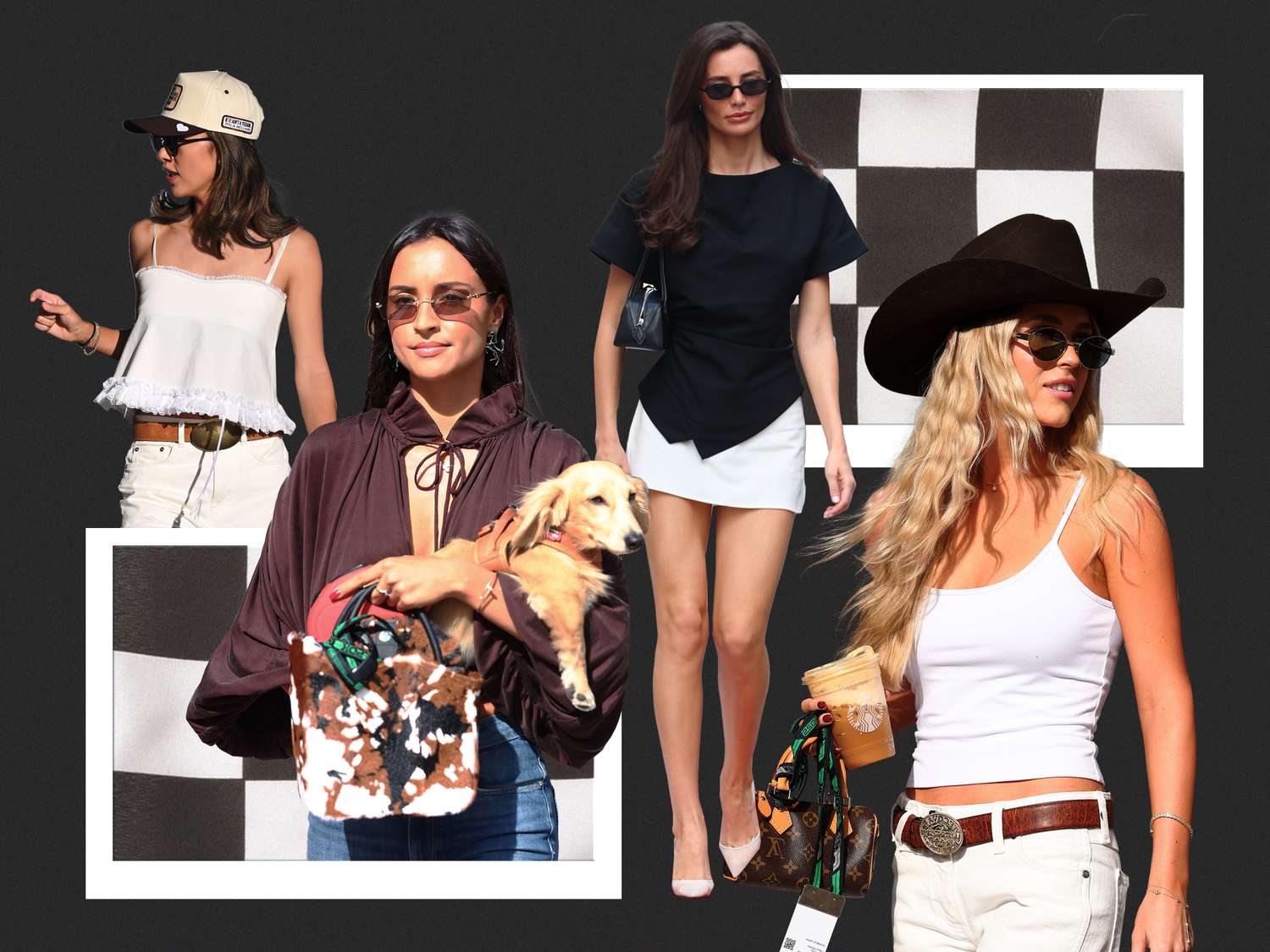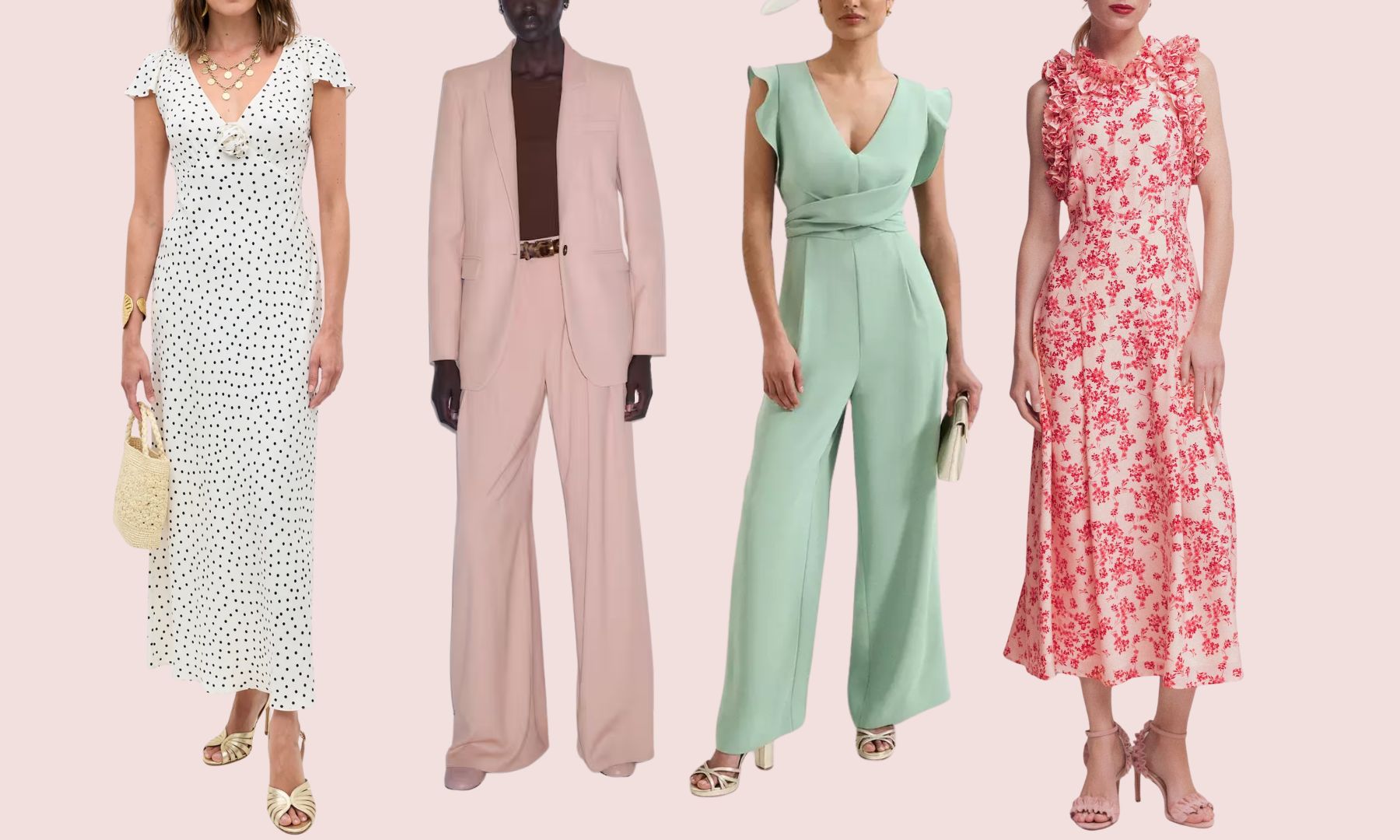
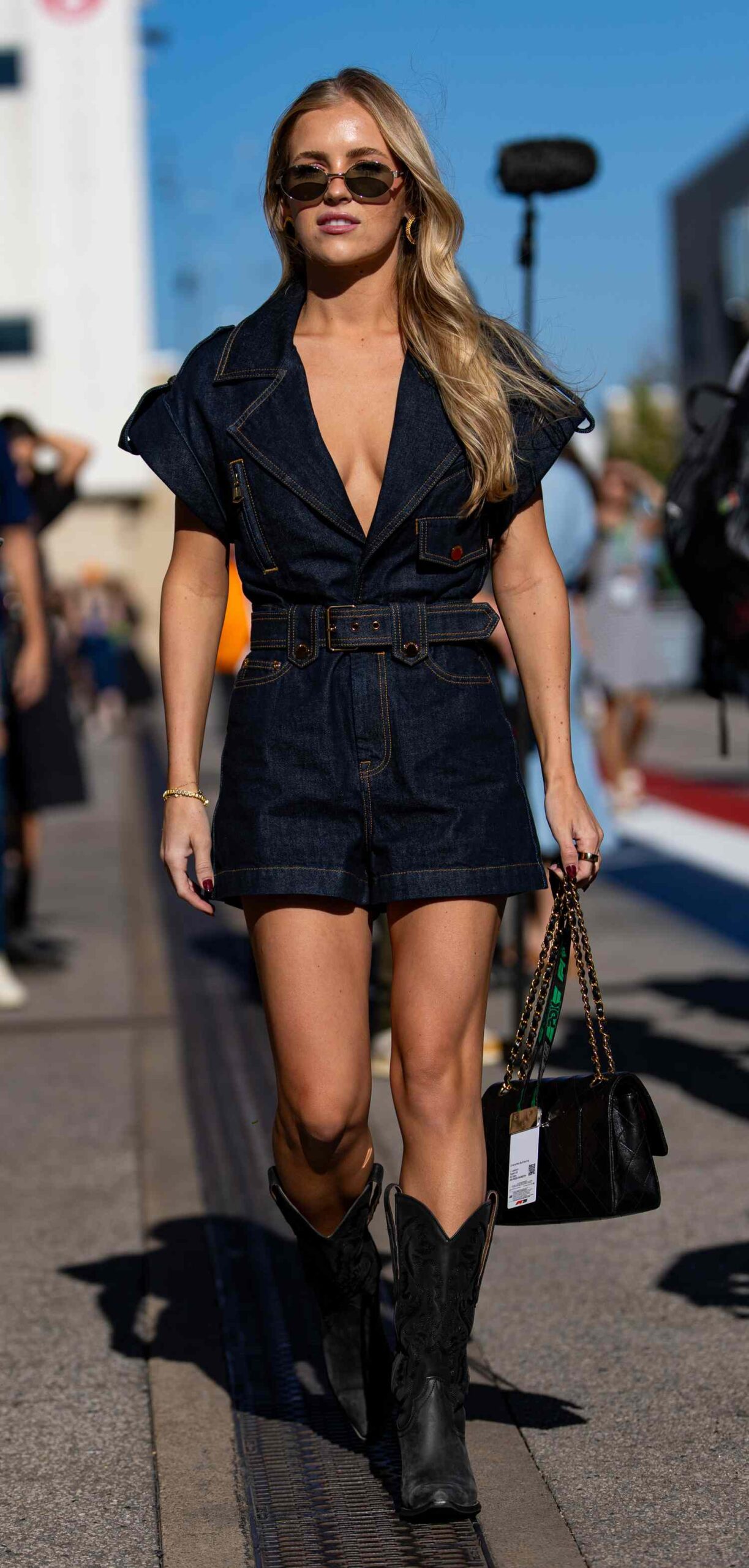
The right race day accessories can make a simple outfit feel considered, but you don’t need a hat, oversized jewellery and statement shoes all at once. For most race-day events, the easiest approach is to choose one noticeable accessory, two supporting pieces, and keep everything else fairly restrained.
A classic starting point is a midi dress with comfortable heels or polished flats, a structured clutch or small handbag, simple jewellery and either a fascinator or another hair accessory. From there, your choices should depend on the outfit, venue, weather and how much time you’ll actually spend standing or walking outdoors.
This guide breaks down what accessories to wear to race day, including fascinators, shoes, bags, jewellery and practical extras, with simple formulas you can use even if you’re new to occasion dressing.
 For a full overview, visit the Race Day Style Guide.
Quick answer: what accessories should you wear to race day?
For a polished race-day outfit, consider:
- A fascinator or hat if it suits the event and your outfit
- Comfortable heels, block heels or smart flats depending on the venue
- A small structured handbag or clutch
- Simple jewellery that complements rather than competes with the outfit
- Sunglasses for outdoor daytime events
- A light layer if the forecast is cool or changeable
The trick is coordination rather than quantity. If your dress is patterned or brightly coloured, accessories can be quieter. If you’re wearing a simple navy, black, cream or pastel dress, you have more room for an interesting bag, earrings or headpiece.
StyleDress itself describes bags, hats, fascinators, shoes and jewellery as part of the accessories that can complete an occasion outfit.
Start with the outfit, not the accessories
One of the easiest mistakes is buying a fascinator or statement earrings first and then trying to build an outfit around them.
Start with the clothing.
Ask yourself three questions:
- How formal is the event?
- How much detail is already in my outfit?
- Will I be outdoors for several hours?
This immediately narrows your choices.
A floral midi dress, for example, already has visual interest. Adding a large floral headpiece, dramatic earrings and embellished shoes can make the whole outfit feel busy.
A plain navy dress is different. It gives you a cleaner base for a sculptural fascinator, colourful clutch or more noticeable earrings.
Think of accessories as the punctuation of the outfit. They should help the whole look make sense rather than compete for attention.
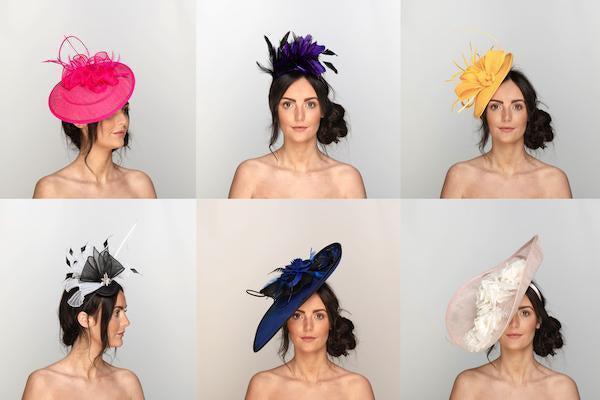
1. Fascinators and hats: do you need one?
No. A fascinator isn’t automatically required for race day.
They can be a fun choice for formal racing events, particularly when headwear is part of the atmosphere or dress expectations. But if you don’t feel comfortable wearing one, you can create a polished outfit without it.
If you choose a fascinator
Consider the proportions of your outfit.
A large, dramatic fascinator generally works better with a relatively simple dress. A smaller, understated piece can work with a dress that has more colour, pattern or detail.
Colour doesn’t have to match perfectly. In fact, matching your fascinator exactly to your dress can sometimes look overly coordinated. Instead, look for a shade that appears somewhere else in the outfit.
For example:
Navy dress + cream fascinator + tan shoes + tan handbag
or
Pink dress + burgundy headpiece + neutral shoes + burgundy earrings
The second approach creates a connection between the pieces without making everything identical.
If you’re new to headwear
Try the accessory with the complete outfit before the event. A headpiece can change the visual balance of your entire look, particularly if you’re wearing your hair up.
Also check that it feels secure. Race-day events can involve outdoor areas and breezy conditions, so a beautiful headpiece isn’t particularly useful if you’re constantly worrying about it.
2. Choose race day shoes for the venue, not just the outfit
Shoes deserve more thought than they usually get.
A race-day event may involve walking between buildings, standing for long periods or spending time on grass. Very thin heels can become awkward on soft ground, even when they look fantastic with your dress.
For deeper footwear advice, read the Race Day Shoes guide.
For outdoor events, block heels, wedges, low heels and polished flats are often easier choices than very narrow stilettos.
The best option depends on the venue and your own comfort.
| If your day involves… | Consider | Think twice about |
|---|---|---|
| Lots of walking | Low heels, block heels or polished flats | Very high heels |
| Grass or soft ground | Wider heels or wedges | Thin stilettos |
| A formal indoor event | Elegant heels or refined flats | Very casual footwear |
| Hot weather | Breathable, comfortable shoes | Heavy shoes that rub |
| Cool or wet conditions | Closed-toe shoes or weather-appropriate styles | Delicate footwear you can’t comfortably walk in |
Don’t wear brand-new shoes for the first time on race day if you can avoid it. Even a pair that feels fine for ten minutes at home can become uncomfortable after several hours.
For more practical tips, read our shoe comfort guide.
3. Keep the handbag small but useful
Race day isn’t the time for a giant everyday tote unless you genuinely need one.
A small structured handbag, clutch or compact shoulder bag usually works better with occasion dressing. It keeps the outfit looking polished and gives you enough room for essentials.
Before choosing a bag, think about what you actually need to carry:
- Phone
- Cards or a small wallet
- Keys
- Lip colour
- Sunglasses
- Tissues
- Any essential personal items
A shoulder strap can be particularly useful if you’ll be walking around rather than sitting in one place.
For colour, you have two easy options.
Quiet approach: choose a neutral bag that blends with your shoes.
Accent approach: choose a bag that picks up one colour from your dress, jewellery or headwear.
You don’t need your handbag and shoes to be an exact matching set.
4. Jewellery: choose one focal point
Jewellery is where race-day outfits can quickly become too busy.
If you’re wearing a noticeable fascinator, you may only need small earrings and a delicate bracelet. If you’re skipping headwear and wearing a simple dress, larger earrings can become the focal point instead.
A useful formula is:
Statement earrings + minimal necklace
or
Simple earrings + noticeable necklace
rather than making every piece equally prominent.
The neckline of your dress matters, too.
A high neckline can work beautifully with earrings and a bracelet. A simple open neckline gives you more space for a necklace.
If the dress has embellishment, lace, pleating or a strong print, let those details do some of the work.
5. Sunglasses are practical, not an afterthought
For daytime outdoor racing events, sunglasses can be one of the most useful accessories you bring.
Choose a pair that feels intentional with the outfit rather than treating them as completely separate from it.
Classic black, tortoiseshell, brown or neutral frames are easy with most occasion outfits. If your outfit is already colourful, understated frames can keep things balanced.
And remember: sunglasses should be easy to remove when you’re indoors or taking photographs. You don’t want them becoming the main feature of every picture.
6. Don’t forget the weather
This matters particularly for outdoor events in New Zealand, where a sunny morning doesn’t necessarily guarantee a warm or still afternoon.
Instead of choosing accessories purely for appearance, consider what could make the day more comfortable.
Warm and sunny
Think:
- Sunglasses
- Light fabrics
- A compact bag
- Comfortable shoes
- A secure fascinator or hair accessory
Cool or changeable
Consider:
- A tailored blazer
- Lightweight wrap
- Elegant coat
- Closed-toe shoes
- A handbag large enough for a few practical extras
The layer should look like part of the outfit rather than something you grabbed at the last minute.
A cropped or waist-length jacket can work particularly well with a midi dress because it keeps the proportions defined. A longer coat can create a more streamlined look with a simple dress.
7. Match your accessories to the dress shape
You don’t need to know complicated fashion terminology to understand proportion.
Proportion simply means how the sizes and shapes of different pieces relate to one another.
If your dress is loose and flowing, a structured handbag can provide useful contrast.
If your dress is fitted and sleek, softer accessories can prevent the outfit from feeling too rigid.
To refine your overall outfit balance, explore how to choose clothes that flatter your style.
Try these combinations:
Feminine floral midi
Small fascinator + block heels + simple earrings + neutral clutch
Minimalist navy dress
Sculptural headpiece + metallic earrings + pointed flats or heels + small structured bag
Tailored trousers and blouse
Statement earrings + elegant belt + low heels or loafers + compact handbag
Bright-coloured dress
Neutral shoes + understated jewellery + simple clutch
The last example is particularly useful if you’re worried about looking overdone. Let the colour of the clothing be the statement.
8. Three easy race-day accessory formulas
If you’re standing in front of your wardrobe thinking, I have no idea what goes with this, start here.
Formula 1: Classic and polished
Midi dress
- small fascinator
- block heels
- structured handbag
- simple earrings
This is an easy choice when you want a traditional occasion look without adding too many competing details.
Formula 2: Modern and understated
Tailored jumpsuit or dress
- statement earrings
- sleek flats or low heels
- small shoulder bag
- sunglasses
This works particularly well if fascinators aren’t your style.
Formula 3: Colour-led
Simple neutral dress
- colourful headpiece or bag
- matching accent jewellery
- neutral shoes
Here, the accessory supplies the personality. You can also reuse the bag or jewellery with other outfits later, making this a sensible approach if you don’t attend race days often.
Common race-day accessory mistakes
Wearing every statement piece at once
A fascinator, oversized earrings, layered necklaces, embellished shoes and a heavily decorated handbag can all be beautiful individually. Together, they may compete.
Choose a focal point.
Ignoring your shoes until the last minute
Your shoes affect how comfortably you move around the venue. They aren’t just a finishing touch.
Matching everything too literally
Your shoes, bag, fascinator and dress don’t have to be identical shades. Coordinated colours usually look more natural than a perfectly matched set.
Choosing accessories that don’t suit the venue
Beautiful shoes that sink into grass aren’t particularly practical. Neither is a delicate clutch if you need your hands free for most of the day.
Buying something you’ll never wear again
If race day isn’t a regular part of your calendar, look for accessories that can also work at weddings, dinners, garden parties or other occasions.
That might mean choosing a simple metallic clutch instead of an extremely themed race-day piece, or buying earrings you can wear with work outfits as well.
A simple checklist before you leave
Lay out the complete outfit the night before.
Check:
- Does the headwear feel secure?
- Can you walk comfortably in the shoes?
- Does the handbag hold what you need?
- Is the jewellery competing with the neckline?
- Do the accessories repeat at least one colour from the outfit?
- Do you have a layer if the weather changes?
- Can you sit, stand and walk comfortably?
- Does the outfit still look balanced without one accessory?
That last question is useful. If removing one accessory makes the outfit look considerably better, you probably don’t need it.
If you’re building a versatile wardrobe, see our minimal wardrobe guide for beginners.
The easiest way to get race-day accessories right
You don’t need a complicated formula.
Start with the dress or outfit. Decide what you want people to notice first. Then add accessories that support that choice.
For most women, that means one focal accessory, comfortable footwear, a practical small bag and restrained jewellery. Add headwear when it suits the event and your personal style, and adjust everything for the venue and weather.
The result should feel dressed for the occasion without feeling like you’re wearing a costume. That’s usually the sweet spot for race-day style.
FAQ’s
Do I have to wear a fascinator to race day?
No. Fascinators can suit traditional or formal race-day dressing, but they’re optional unless a particular event or dress code says otherwise. If you don’t like headwear, use earrings, a refined bag or another accessory as your focal point.
What shoes are best for race day?
Choose shoes according to the venue and how much walking you’ll do. Block heels, low heels, wedges and polished flats are practical options, particularly for outdoor events. Very thin heels can be difficult on grass or soft ground.
Should my race day bag match my shoes?
Not exactly. Your bag and shoes can coordinate without being identical. Matching one colour or using complementary neutrals often creates a more relaxed and modern result.
Can I wear trousers to race day?
Yes, when the event’s dress expectations allow it. Tailored trousers paired with an elegant blouse, blazer or refined top can create a polished alternative to a dress. Add occasion-appropriate shoes and accessories to keep the outfit smart.
How many accessories should I wear to race day?
There’s no fixed number. A useful beginner approach is one noticeable accessory supported by two or three quieter pieces. For example, a fascinator, simple earrings, comfortable heels and a small bag are enough to complete many outfits.
What should I take to an outdoor race-day event?
Think beyond fashion. Sunglasses, a small bag, comfortable shoes and a light layer can be useful, depending on the weather and venue. Check the forecast and event information before leaving rather than relying entirely on the morning temperature.